My Story
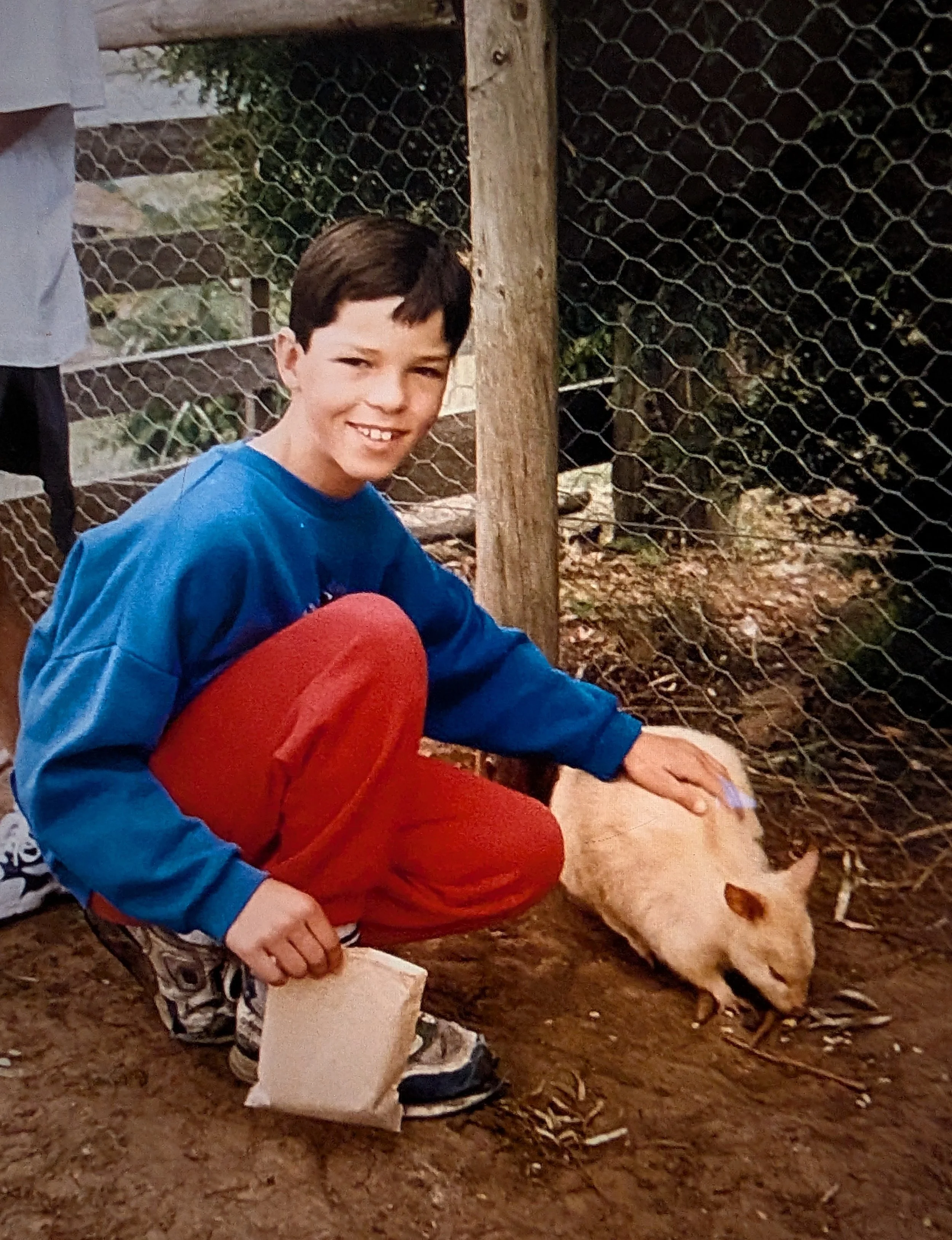
Some kids wanted to go to the movies or a theme park for their birthday. Every year, when I was given the choice of what to do to celebrate my birthday, I chose Bonorong.
It was my absolute happy place.
Walking through the gates felt like entering another world. I'd do lap after lap while my poor family waited for me to finally agree to go home. I'd feed the kangaroos their free food one pellet at a time, purely so I could make the bag last longer. And I'd peer through every gap in every fence I could find, desperate to see what was happening behind the scenes. I am a self-diagnosed animal nerd. I remember as a kid, we would all go to the local show. All the kids would come out with show bags, and I would have spent my small budget on a live chicken or something breathing…. At book fairs, the other kids in the family loved the fiction section, but I would come back with an animal encyclopedia. With our allotted “screen” restrictions as kids, I would bank mine up to watch a David Attenborough documentary.
At that age, my ambitions weren't particularly sophisticated. I mostly thought having a backyard full of incredible animals would be the greatest thing imaginable, and visiting Bonorong allowed me to dream that dream, even if just while visiting for a few hours.
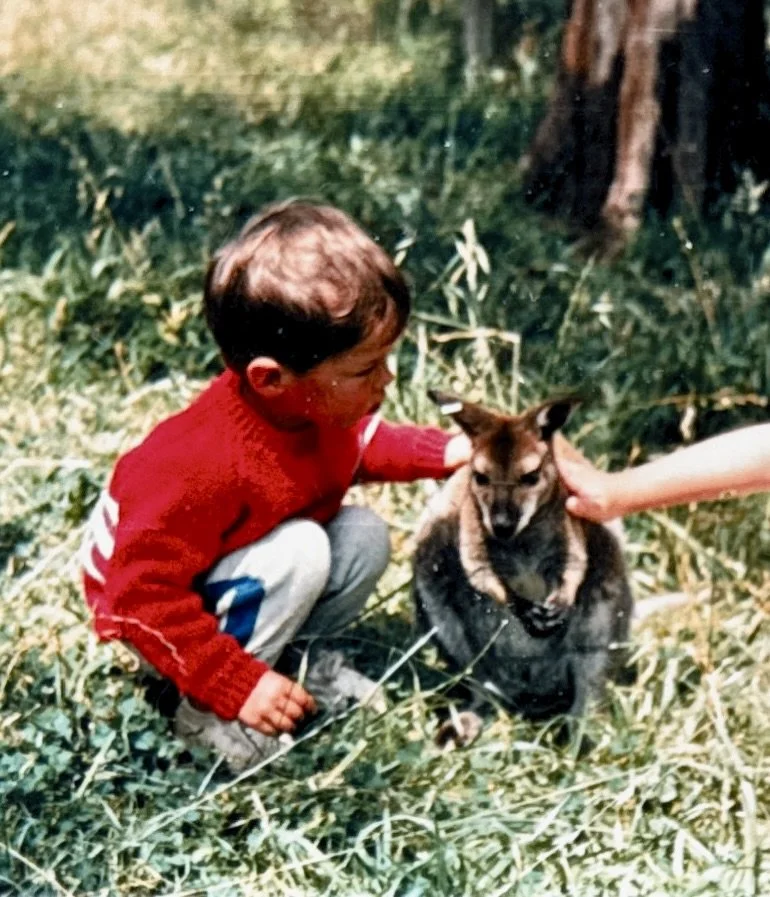
When I was seven, I told Mum that one day I was going to own Bonorong.
I'm fairly sure neither of us expected me to actually do it.
THE KID WHO WOULDN’T LEAVE
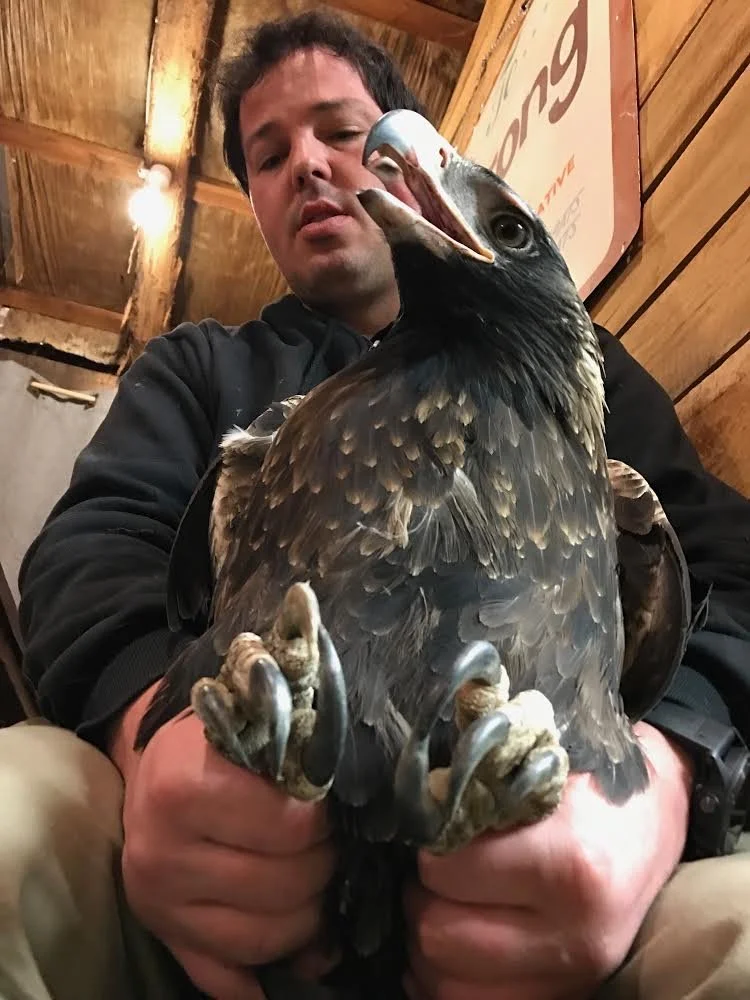
AN INJURED OWL CHANGED EVERYTHING
My relationship with wildlife changed while I was still at school.
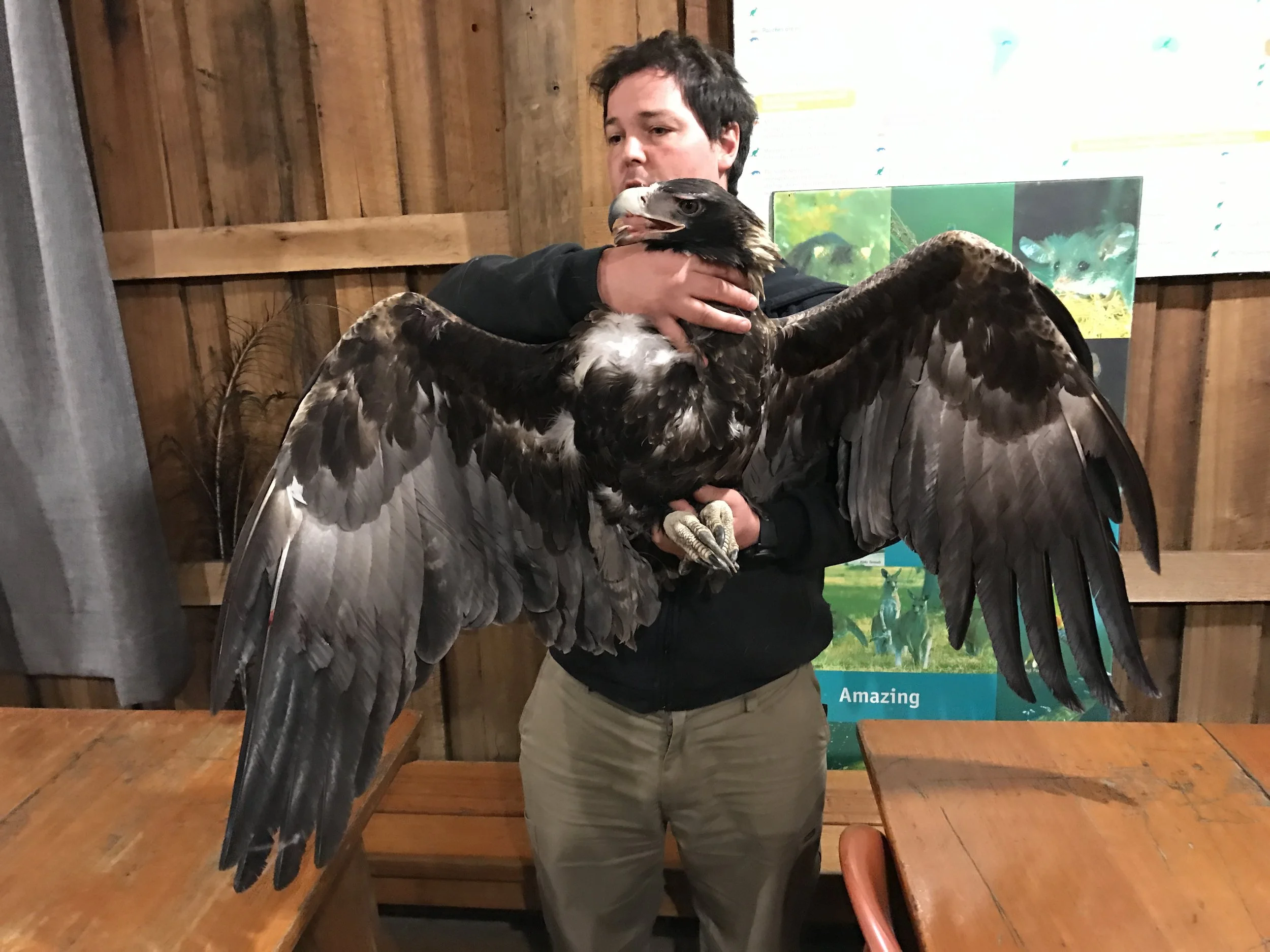
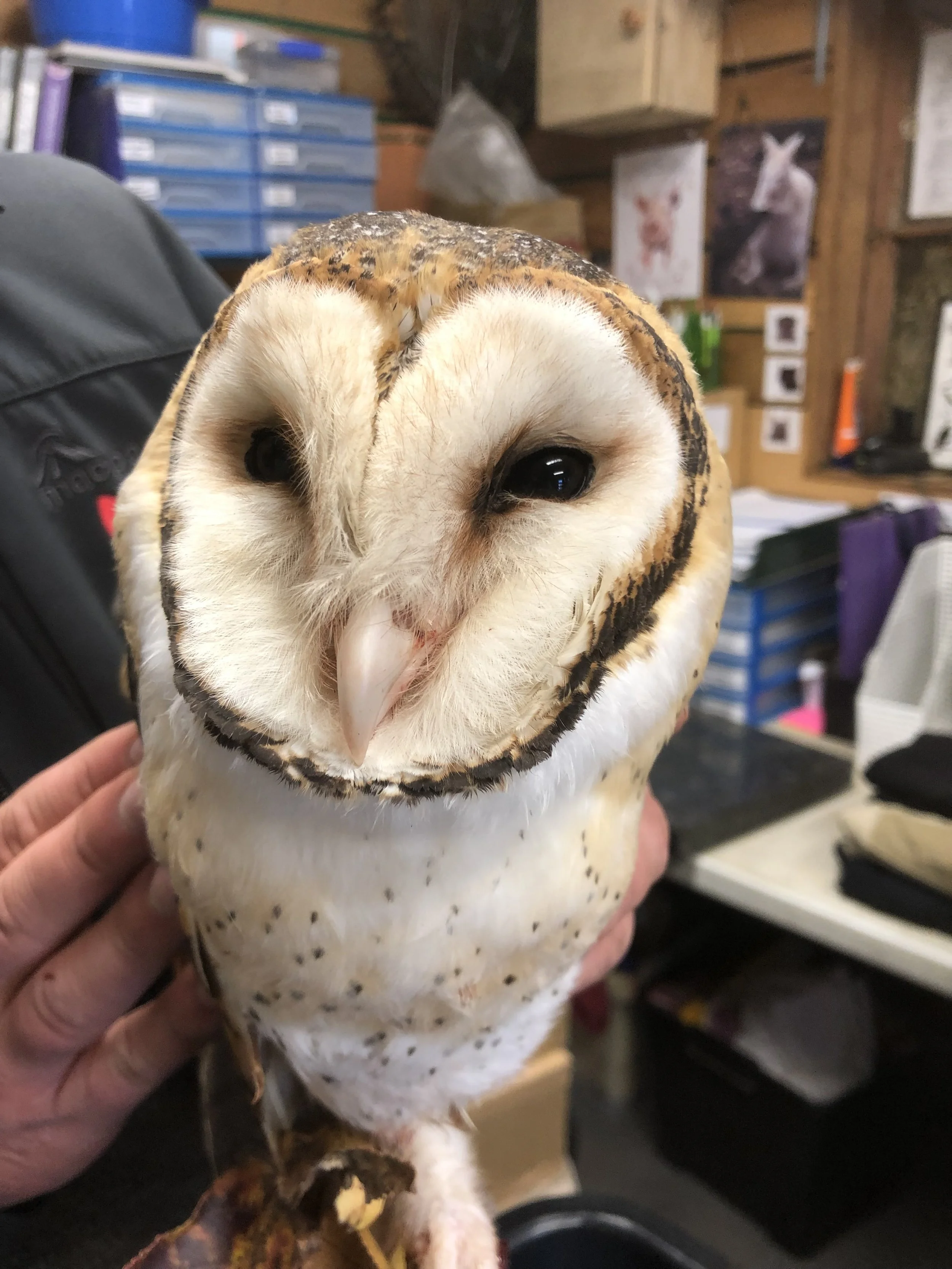
I came across an injured owl and spent essentially an entire weekend trying to find someone who could help it.
There were — and still are — extraordinary wildlife rehabilitators across Tasmania who give enormous amounts of their own time, money and lives to caring for injured and orphaned animals. But what I discovered was that Tasmania didn't have a service physically rescuing wildlife: someone who could collect an injured adult animal, get it safely off a road or out of danger, and transport it urgently to the care it needed.
I couldn't understand it.
Here was an animal that needed help, people who would happily provide that help — and a huge missing link between the two.
I was young, but the problem stuck with me.
FROM THE OTHER SIDE OF THE FENCE
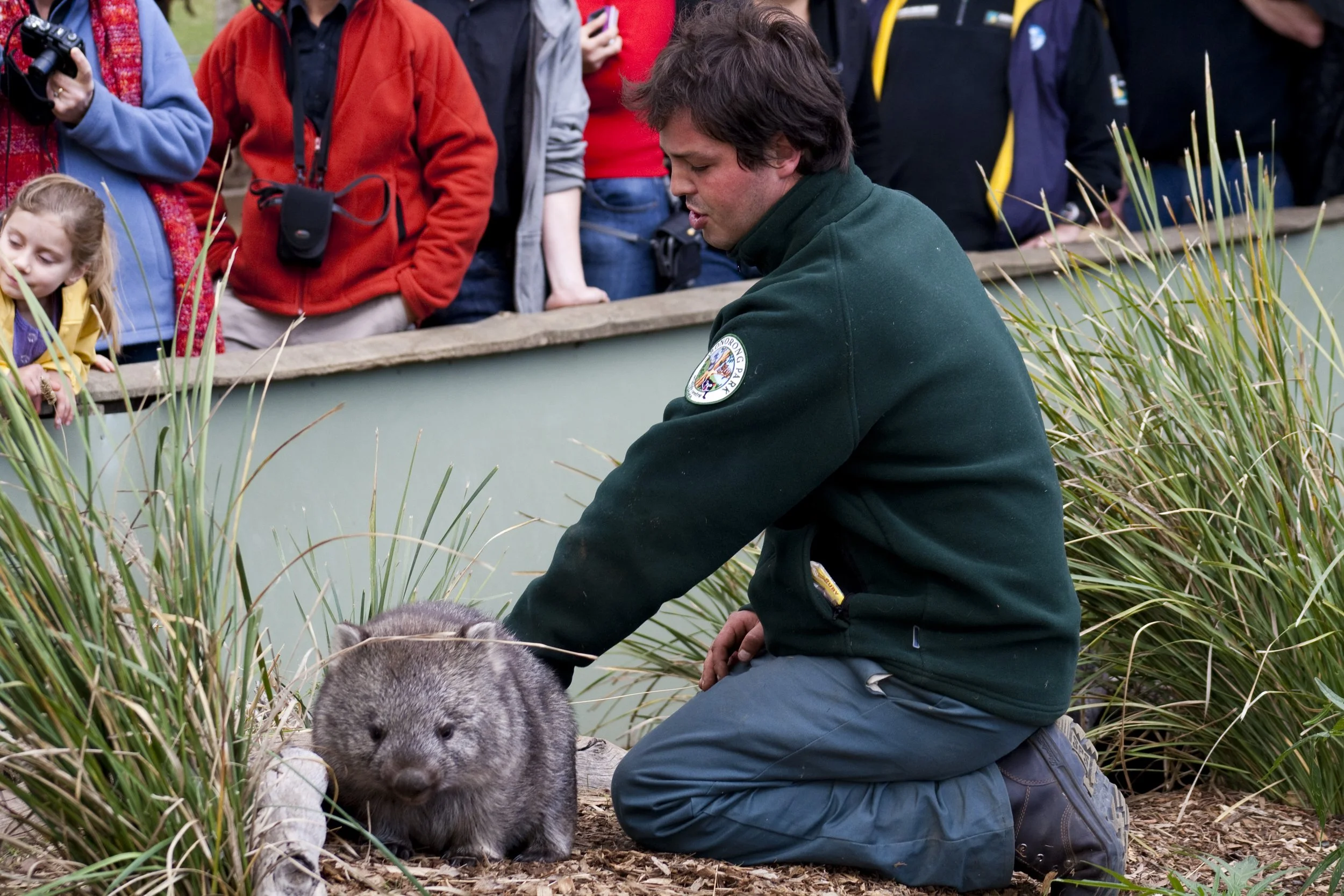
At 19, I finally found myself on the side of those Bonorong fences I'd spent my childhood trying to peer through.
I had a job there.
By 22, I was manager.
But Bonorong was a very different place then. It was a traditional wildlife park. It displayed animals, but rescue, rehabilitation and release weren't its purpose.
And increasingly, I realised that was where my passion lay.
I didn't want my life's work simply to be keeping wildlife in a wildlife park. I wanted to help animals that were in trouble, rehabilitate those that could recover, return them to where they belonged and provide a genuine sanctuary for those that couldn't.
Years had passed since I'd found that injured owl.
Tasmania still didn't have the rescue service I'd wished existed that weekend.
So I decided I wanted to start one.
There was just one fairly substantial problem.
I had absolutely no idea how.
THE SLIGHTLY RIDICULOUS PLAN
At one point I remember crunching the numbers and asking my parents whether I could use the flat at the bottom of their house to start a wildlife rescue service.
As always, they were incredibly supportive.
The numbers were less supportive.
Doing it properly was going to require hundreds of thousands of dollars that I simply didn't have.
And then I had an idea.
What if I took on Bonorong and used the business to fund the rescue service?
It sounded brilliant in my head.
There remained the minor issue of buying Bonorong.
I had no business experience. I hadn't exactly set the academic world on fire at school — sitting still and studying never meshed particularly well with my enthusiasm for everything else.
And at that point in my life, I'd never had $1,000 in my bank account at one time.
I now needed to convince people to back me for more than $1 million.
There were a lot of conversations, a lot of planning and, eventually, an unusual combination of vendor finance, bank finance and an initial lease period that would give me the chance to prove I could actually make the place work.
Somehow, it came together.
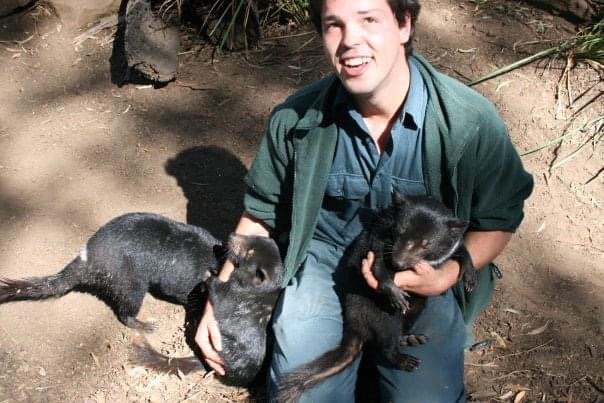
At 25 years old, the kid who used to refuse to leave Bonorong was responsible for it.
Now I had to work out what the hell to do with it.
ONE VERY MEANINGFUL WORD
One of the first things I did was change the name.
Bonorong Wildlife Park became Bonorong Wildlife Sanctuary.
That might sound like a small change.
To me, it was anything but.
SANCTUARY.
I love that word.
It represents what I wanted Bonorong to become.
A sanctuary for an animal injured or orphaned in the wild.
A sanctuary for an animal going through rehabilitation before returning home.
A sanctuary for an animal that, for whatever reason, can never safely be released and needs somewhere to live out its life.
But my hope for that word extends far beyond our gates.
I want Tasmania itself to be a sanctuary for wildlife — a place where we recognise the animals around us as our neighbours rather than our competition, and where healthy wild animals can simply remain exactly where they belong:
in the wild.
When I took over Bonorong, we released more than 100 animals that I believed didn't need to be there.
For me, that was the beginning of turning the word sanctuary from a name into a philosophy.
BUILDING THE THING WE NEEDED
Then came the idea that had started all of this.
Tasmania's wildlife rescue service.
Nobody had done it here before, which meant we had absolutely no idea what was going to happen.
How many calls would we receive?
Would people volunteer?
Could we possibly cover an entire state?
Initially, I thought that if we could find a way to respond to 50% of the calls, we'd be doing incredibly well.
What I hadn't accounted for was just how many Tasmanians were waiting for an opportunity to help.
The response from the community blew me away.
We essentially created a wildlife ambulance network — ordinary people trained to safely respond when an animal needed help, collect it and get it where it needed to go.
You didn't need to give up your life to become a wildlife rehabilitator. You could have a job, children, travel and all the other demands of life and still put your hand up when you were available and make a real difference.
In those early years, instead of the 50% I had hoped for, we were able to reach more than 95% of the calls we received.
Today, more than 20,000 people have completed our free wildlife rescue training.
I've personally run every one of those training programs throughout our history, something I'm incredibly proud of, and in recent years I've been very grateful to have my wife, Melissa, running the sessions alongside me.
We still regularly see 150 or more people turn up to learn.
Some become rescuers. Others simply want to know what to do if they encounter an animal in trouble.
Both matter.
Every room full of people reminds me of something very powerful. We are not doing this alone.
THEN CAME ANOTHER DREAM
There was something else I desperately wanted Tasmania to have.
A wildlife hospital.
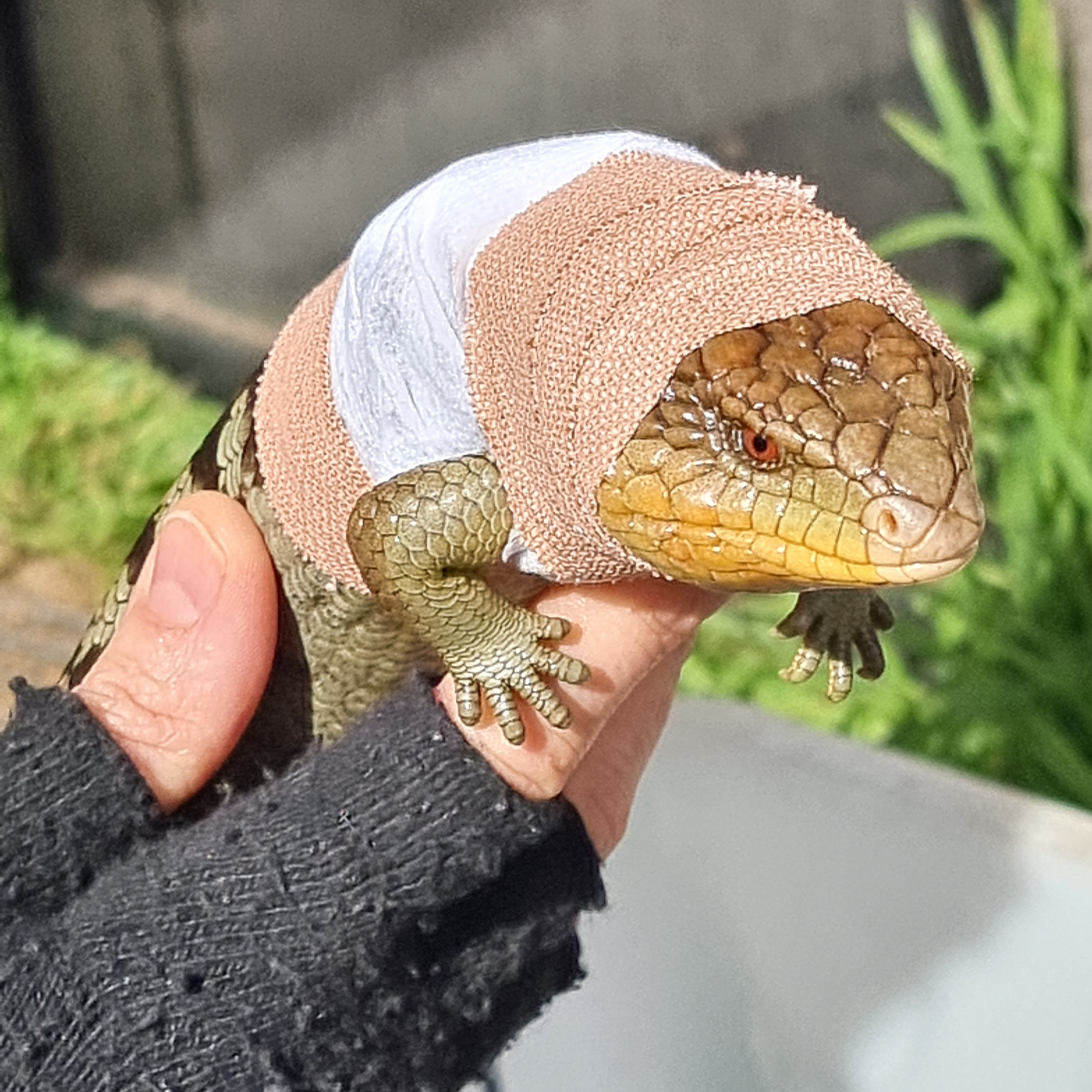
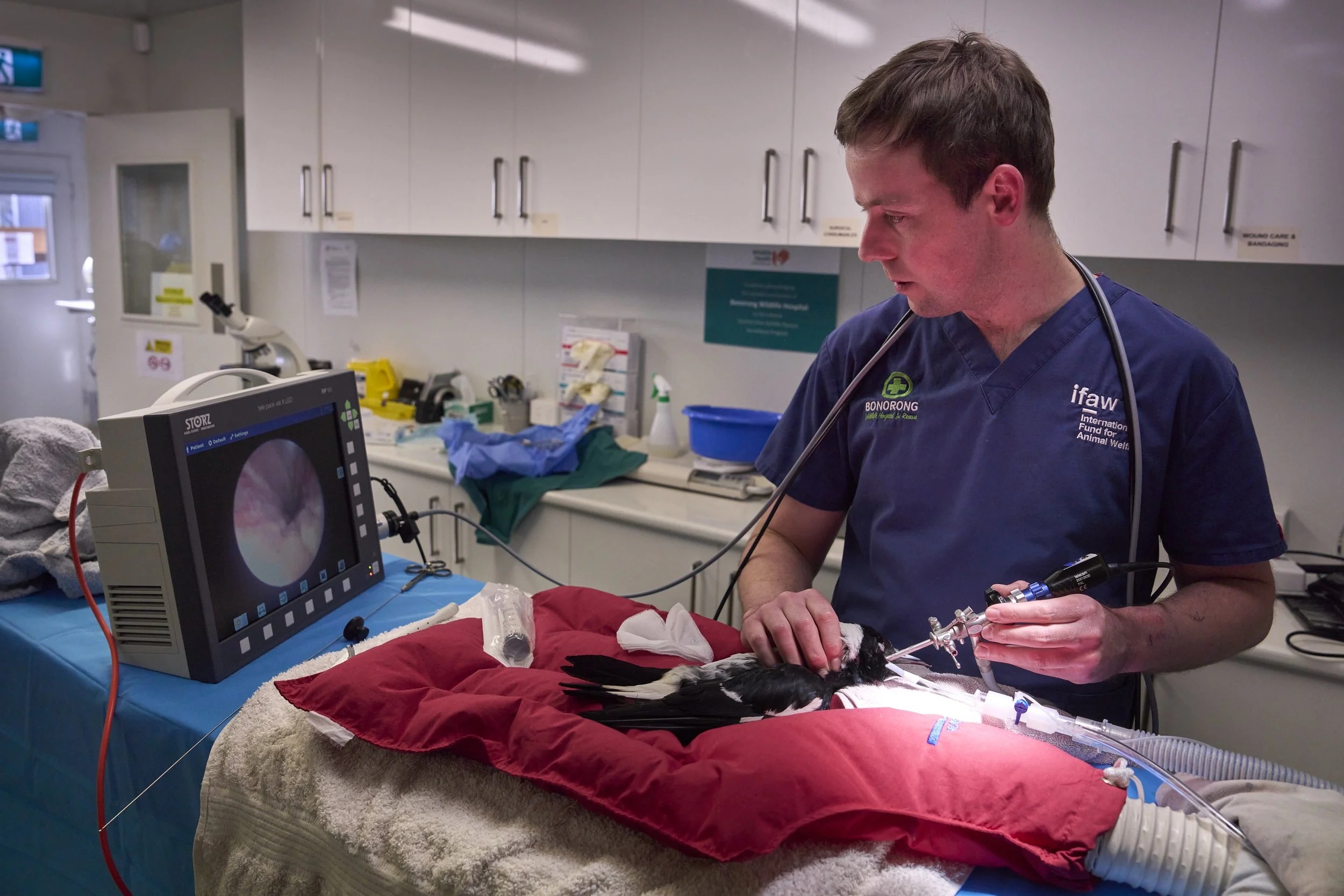
That dream became a reality too — and what began relatively modestly has grown into a world-class facility capable of treating virtually any wildlife patient that comes through our doors.
Today, our rescue service receives more than 22,000 calls for help every year.
I'm proud that we've built the capacity to respond.
I'm not proud that the number is so high.
I know I am stating the obvious, but we would love to see fewer animals needing our help. Sadly, every year it seems to move in the opposite direction.
The majority of our funding still comes from people choosing to visit Bonorong, supplemented by incredibly generous and crucial donations. When somebody walks through our gates, they're not simply paying to see Tasmanian wildlife- they're helping fund a rescue network, veterinary treatment, rehabilitation and a huge amount of work they may never actually see.
FROM SIX PEOPLE TO MORE THAN 80
When I took on Bonorong, there were six staff — two full-time and four part-time.
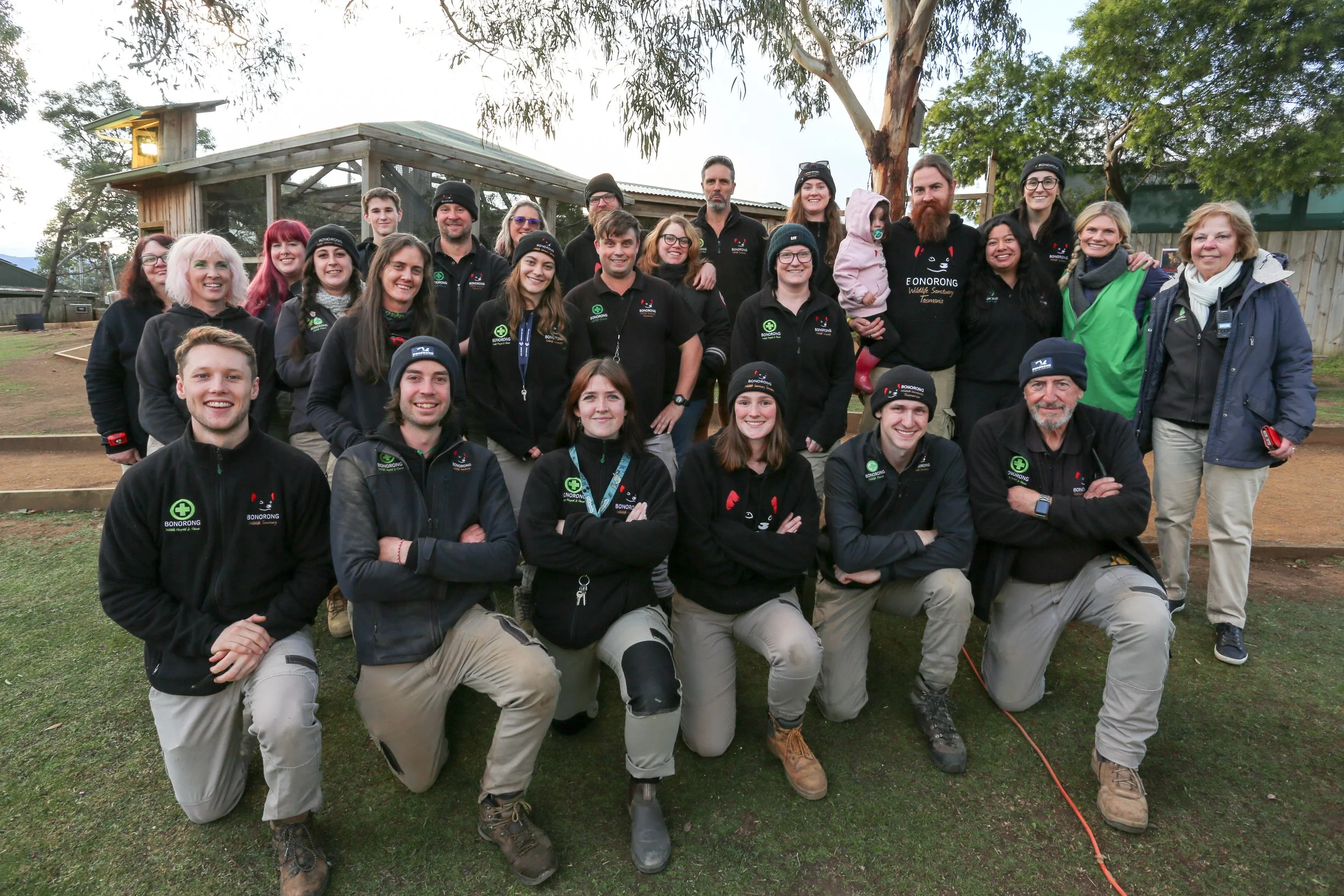
Today, there are more than 80 people on the team.
Sometimes I look at what Bonorong has become and struggle to work out exactly how we got from there to here.
It feels a little like trying to remember a dream.
There were countless decisions, mistakes, successes, risks and leaps of faith along the way.
And at various points I've done almost every job in the place.
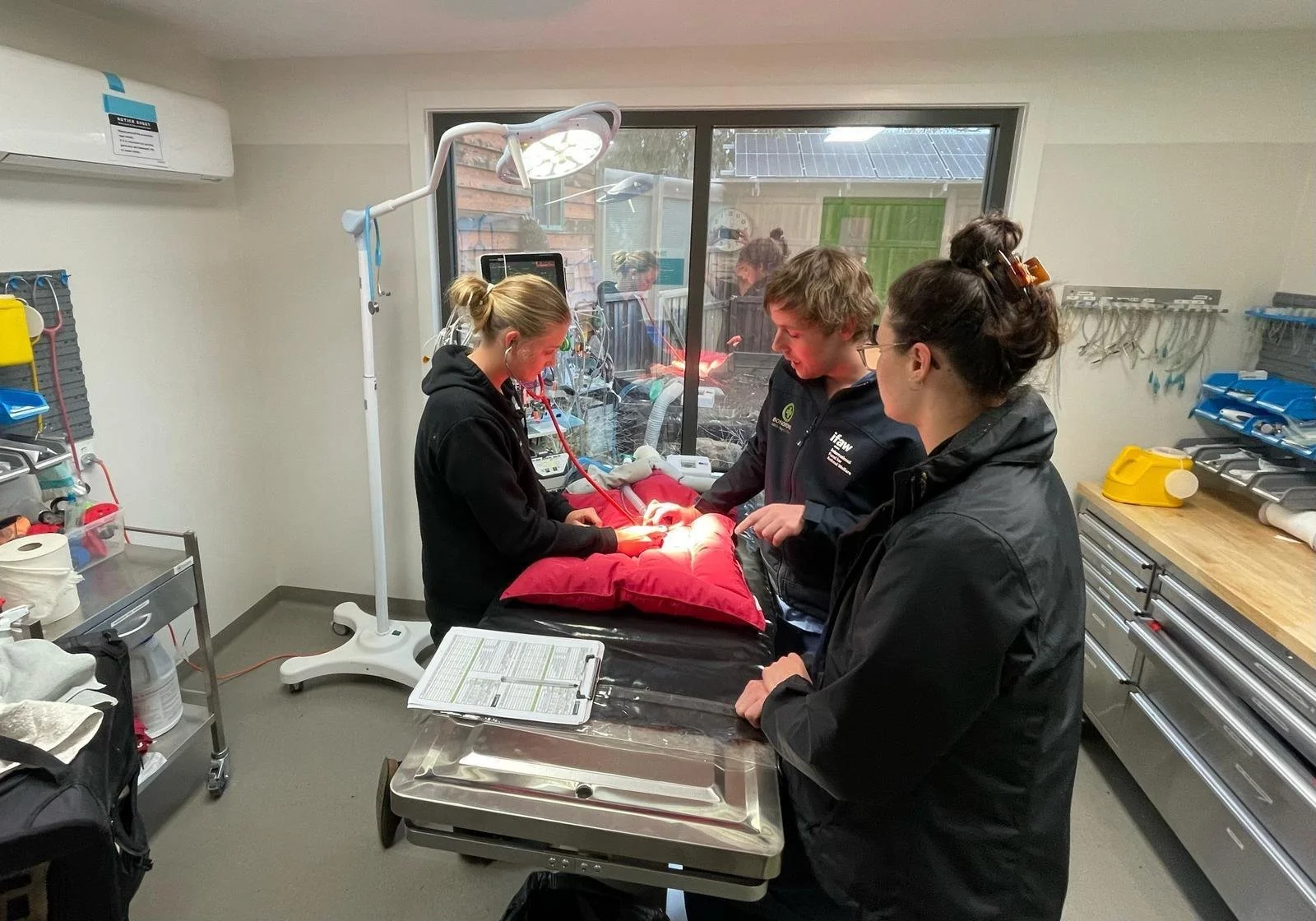
Whilst I cut my teeth as a wildlife keeper, I have worked in the shop, the food van, done rostering, payroll and administration. I've taken rescue calls and received animals through the night — and it really is 24 hours a day, 365 days a year.
I have had the honour of working so closely with animals in both intensive care and rehabilitation situations. I have even had the underrated responsibility of having the toilets sparkling clean. Most of this I have done whilst still having orphans at home (which was thankfully Bonorong) needing 24-hour care.
I lived almost in the middle of Bonorong, which had a house on site, for 15 years, which really meant living it. As we grew, that space was needed for more staff offices, overnight rooms and everything else a business growing like it was on steroids really needed.
I'm glad I've done those things because they've given me an appreciation of what it actually takes to make this place work.
But Bonorong today isn't run by one person. Nor could it be.
I have an incredible CEO, managers and team who bring expertise, passion and drive to their areas and, frankly, do plenty of things far better than I ever could.
Then there are our vets, keepers, rescuers, wildlife rehabilitators, volunteers, supporters and a fiercely passionate community who care deeply about Bonorong and everything it stands for.
What started as one person's slightly crazy idea only works today because thousands of people decided to make it theirs as well.
MY PERSONAL TEAM OF HEROES
There is another team behind all of this.
My family.
My parents backed me long before there was much evidence that backing me was a sensible investment.
I wasn't always the easiest kid. I certainly wasn't the greatest student. I gave them plenty of headaches.
But they gave me something enormously valuable: belief.
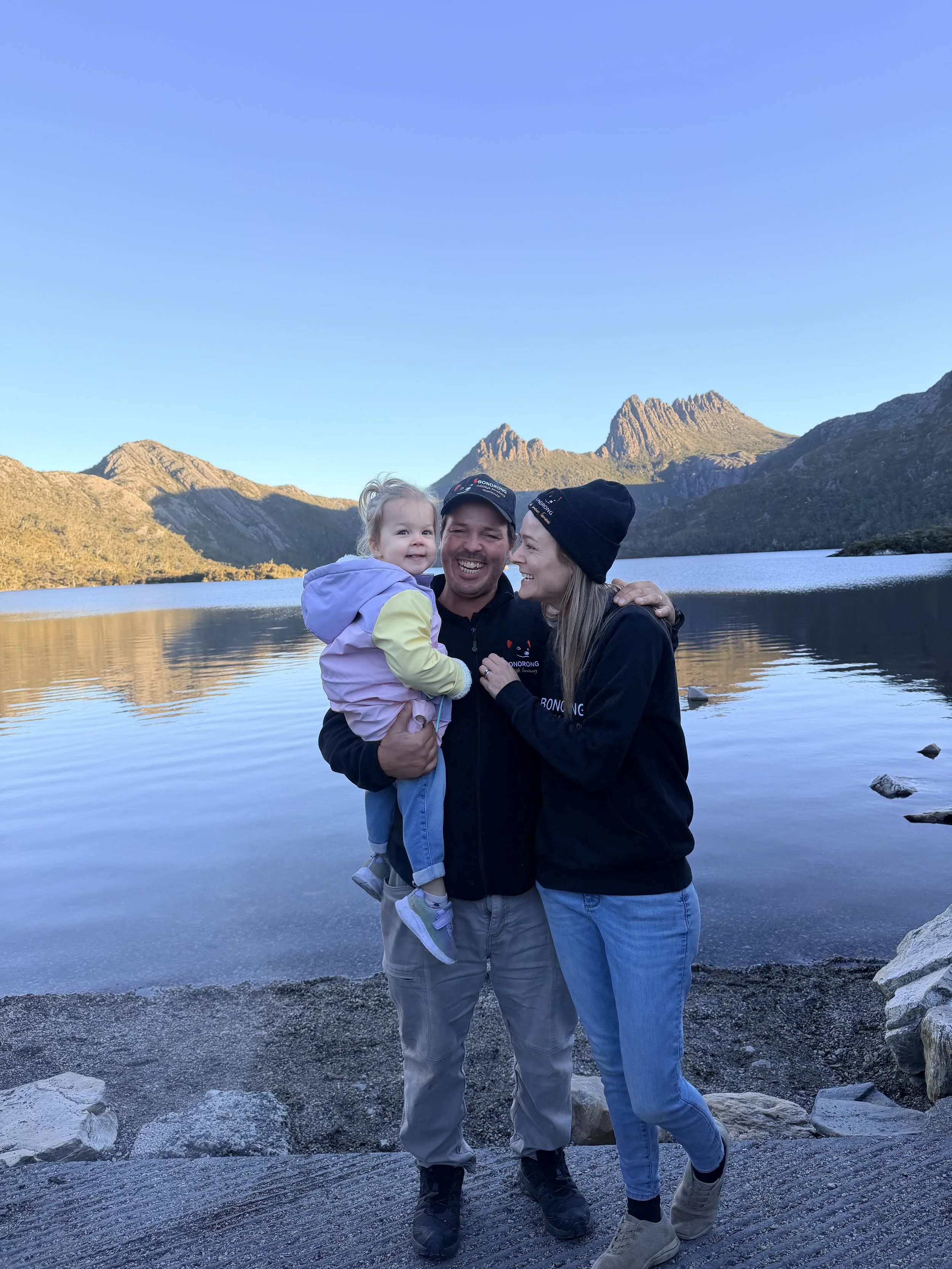
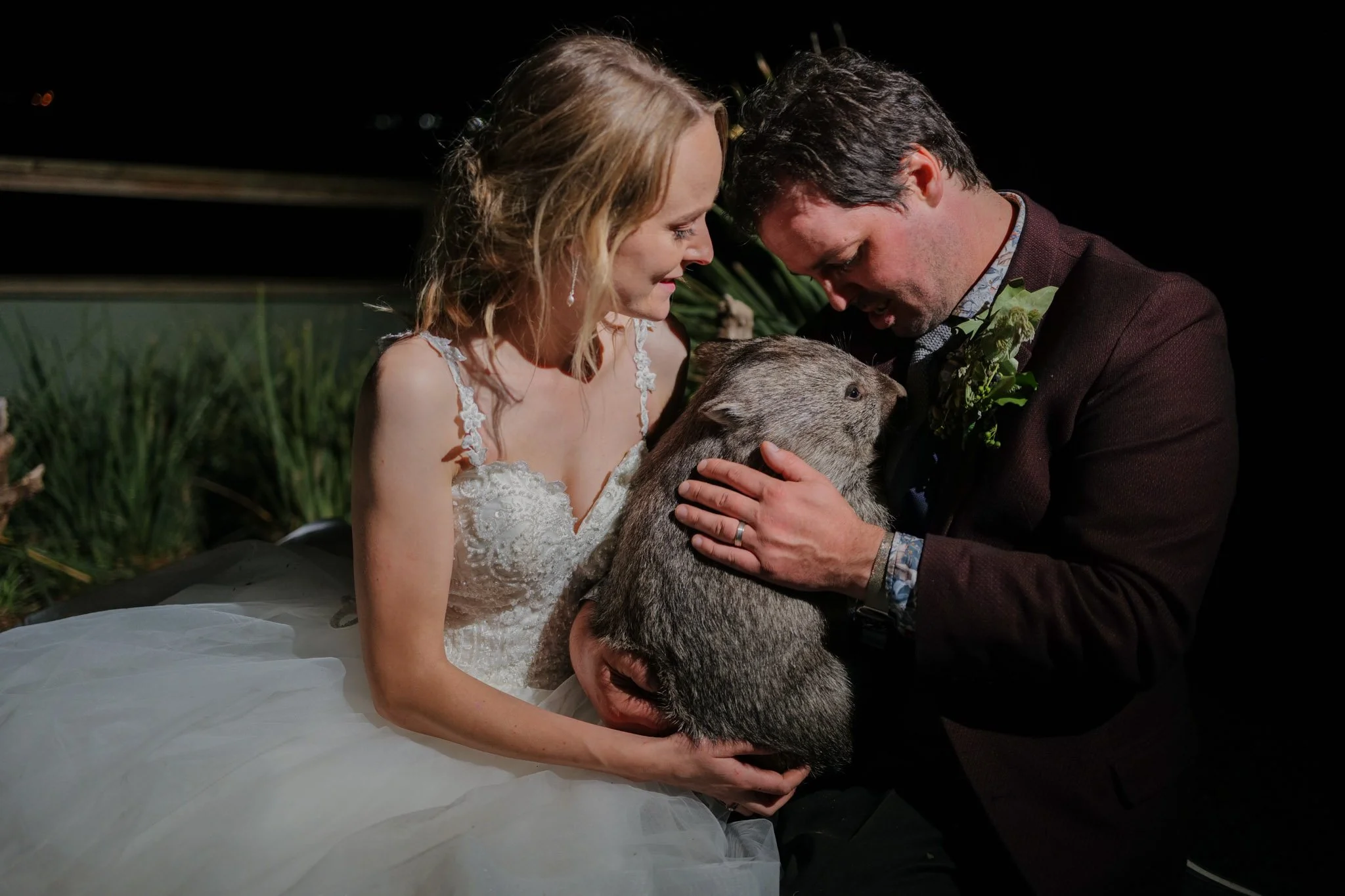
And then there's Melissa.
My wife isn't simply someone waiting for me at home after work. She's part of this life.
Because what we do isn't really a job.
Wildlife doesn't knock off at five o'clock. It doesn't take Christmas off. Rescue calls don't care that you've made dinner plans.
It's 24 hours a day, 365 days a year, and you have to live and breathe it. When you have multiple orphaned baby animals to feed at 3am, having someone to tag-team and share that load is beyond valuable. Not to mention someone who is such a natural with animals. She taught me that I actually wasn’t a natural when I saw her in action, and I have learned so much from her. I am still no good at small, finicky things that require precision, and I know the animals appreciate when Melissa shows up instead of me with a needle in hand.
I couldn't do what we do without Melissa's love, support and her own enormous passion for what we do.
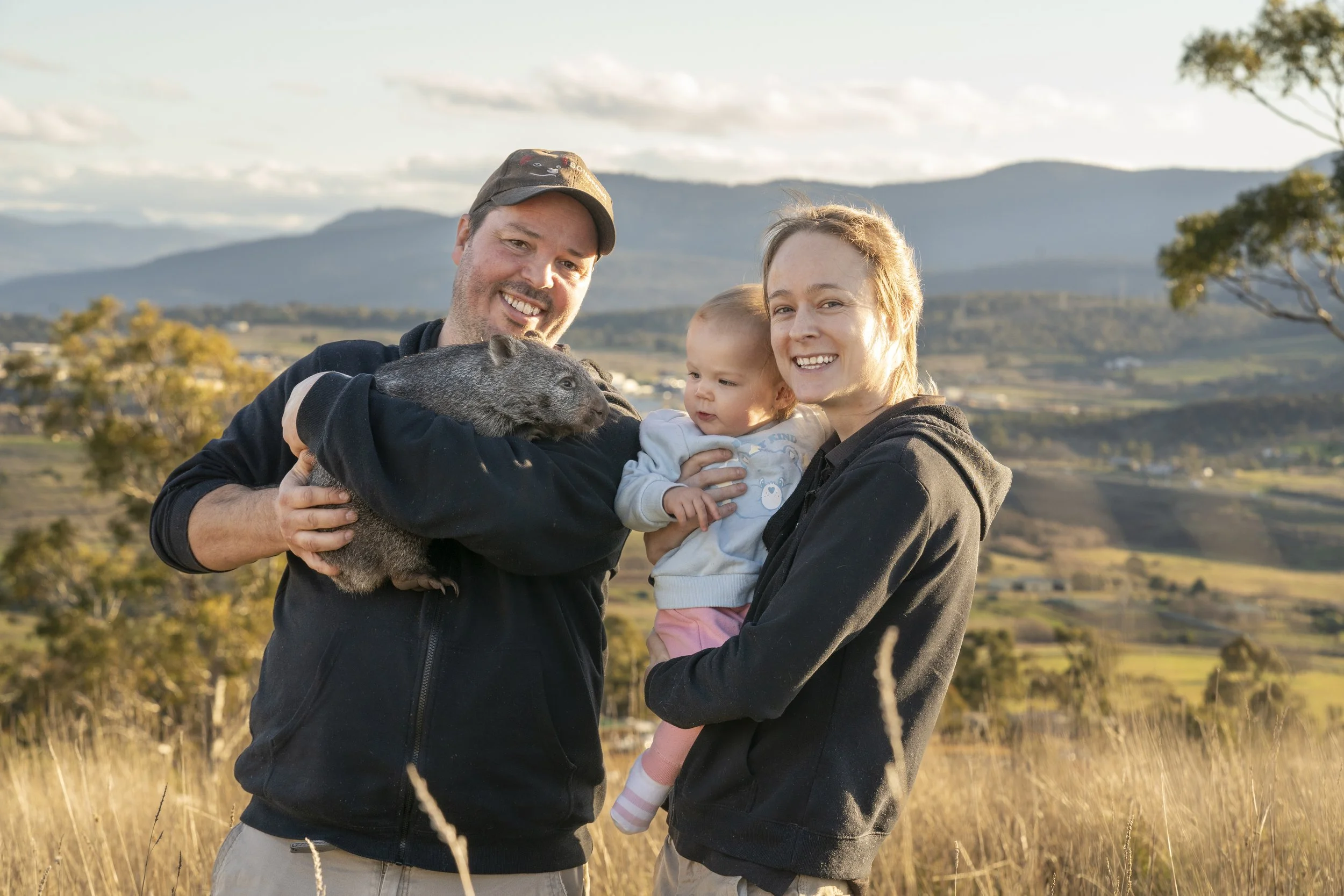
And now there's Lara.
We can already clearly see she is our daughter, with her natural fascination with animals and the environment.
She gets to grow up surrounded by the sort of life Melissa and I dreamed about.
Watching her discover it for herself is pretty special.
WHY TELEVISION? WHY NOW?
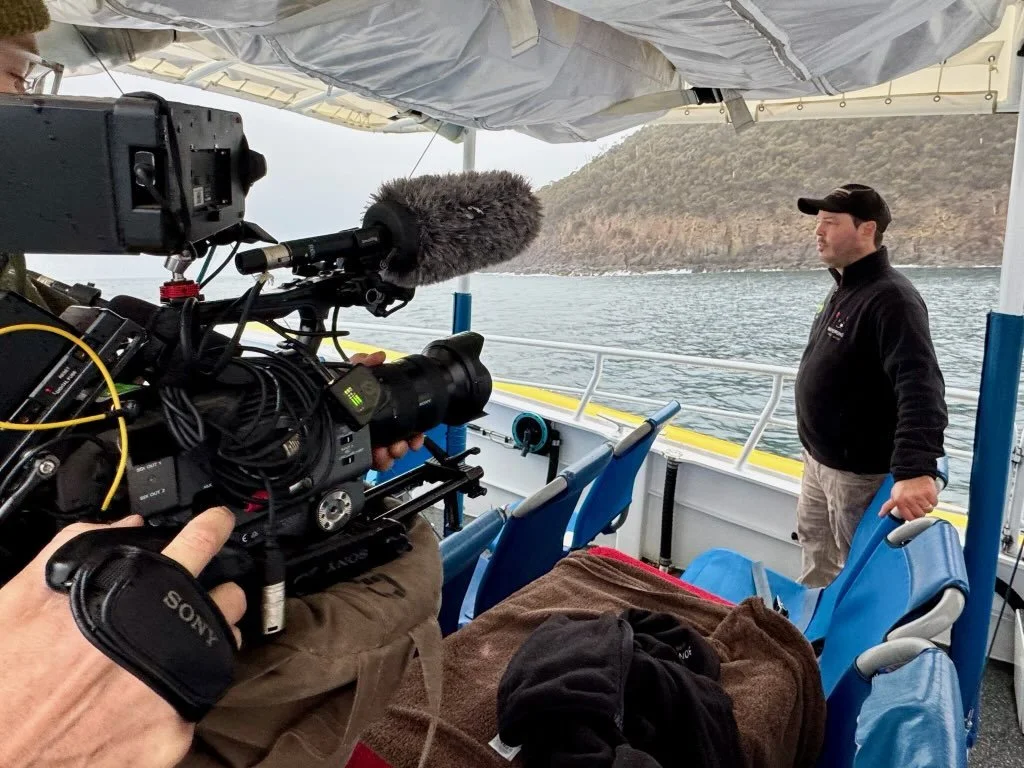
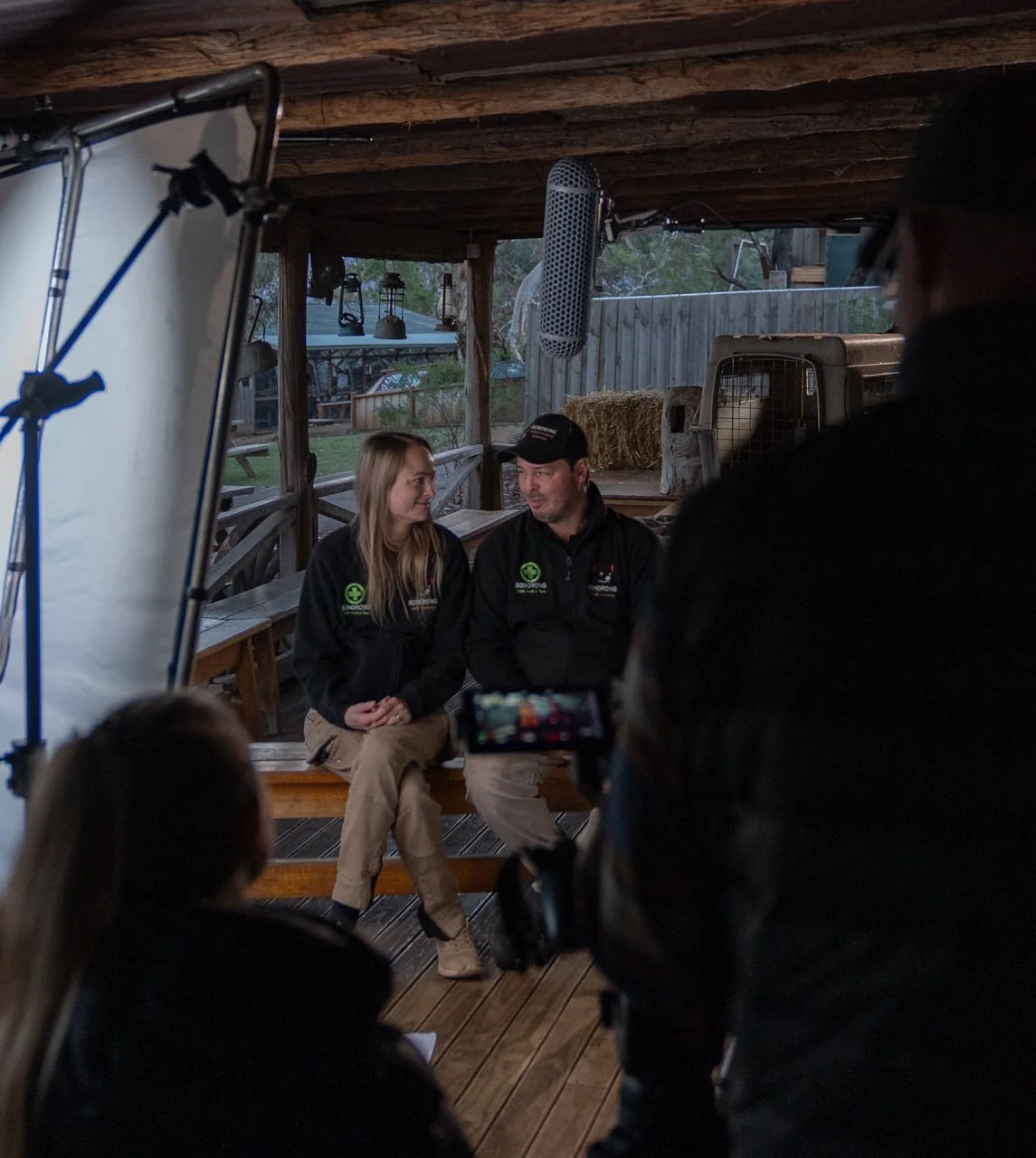
Over the years we've been approached numerous times about making a television series.
People would come and film at Bonorong and inevitably ask some version of:
“How the hell don't you guys have a TV show?”
For a long time, the answer was pretty simple.
We weren't ready.
If we were going to invite cameras into this world, I wanted what they captured to represent what Bonorong could truly be.
Now I believe we're there.
The Animal Sanctuary gives people a glimpse into our lives — at Bonorong and at home — and into the incredible work happening every day.
There are successes.
There are heartbreaks.
There is plenty of chaos.
And there are extraordinary animals and people at the centre of all of it.
But my greatest hope for the series goes well beyond people enjoying watching it.
Nearly every animal that comes through our doors has been impacted by humans, either directly or indirectly.
Cars. Cats. Dogs. Habitat loss. Development. Fences. Pollution. And countless other ways our lives intersect with theirs.
If we're part of the problem, we have to become part of the solution.
The species may change from Tasmania to Tokyo, London or Los Angeles, but many of the reasons wildlife gets hurt don't.
If someone watches an animal's story on television, understands what happened to it and changes one small thing in their own life as a result, then perhaps the work we're doing here can help wildlife much further from home.
That would make me incredibly proud.
WE ARE ONLY GETTING STARTED
Sometimes I look back at the journey from six staff and an idea to what Bonorong is today and have to pinch myself.
There have been enormous wins.
I've also fallen flat on my face plenty of times — sometimes entirely through faults of my own.
But somehow this place has always had a way of picking me back up and making me push a little harder.
I'm immensely proud of what we've achieved.
But I'm also conscious that wildlife around the world is facing extraordinary pressure. As much as I'd love our rescue phone to ring less often, right now it's moving in the other direction.
So for everything that's happened already, it feels like our work is only just beginning.
I get to go to bed knowing that, in some small way, what we've done that day has made the world a little better than it was when we woke up.
That's an extraordinary privilege.
THE PLACE I CALL HOME
And all of this happens in Tasmania.
I love this island.
Straight out of school, I travelled around Australia completely open to moving anywhere that captured me.
Somehow, I ended up right back here.
And I'm very glad I did.
Tasmania can feel like several different countries squeezed onto one island. Turn a corner and the landscape changes. With those landscapes comes extraordinary wildlife found nowhere else on Earth.
I feel enormously fortunate that this is where Melissa and I get to raise Lara, where I've been able to build a life around wildlife and where a childhood dream somehow became reality.
There aren't many places I'd rather be.
Actually, I can't think of one.
Seven-year-old me just wanted a backyard full of animals.
I think he'd be pretty happy with how things turned out.