WILDLIFE AND CONSERVATION
WE ARE THE CAUSE. WE MUST BECOME THE SOLUTION
There is a big difference between rescue and conservation. Rescue is reactive. An animal is already in trouble and we step in to help. If we're successful, we might save that animal's life, get it back to the wild and hopefully give it the chance to produce many more generations to come.
That's incredibly important.
But conservation is the dream.
Conservation is preventing that animal from needing us in the first place.
At Bonorong, we estimate that around 95% of the animals we see have been impacted by humans, either directly or indirectly.
And more than 22,000 animals will need our help this year.
That number grows every year.
I'd absolutely love to stand up one year and announce that fewer animals needed us than the year before. I genuinely dream about it. Sadly, sometimes I fear that's exactly what it will remain — a dream.
But here's the bit that gives me hope.
If we're causing so much of the problem, we have an enormous opportunity to become the solution.
And conservation isn't something that only happens in national parks, rainforests or on huge properties owned by people with lots of land.
You can practise conservation in suburbia.
You can practise it on a farm.
You can practise it from an apartment.
You can practise it while driving to work.
We can all become rangers of our own little patch of the planet.
And although the animals we see here in Tasmania might be different from the animals where you live, the things hurting them are often exactly the same.
Cars don't only hit Tasmanian devils.
Cats don't only hunt Tasmanian wildlife.
Animals everywhere become entangled in rubbish. They lose habitat. They hit windows. They're attacked by dogs. They're poisoned by things that weren't intended for them.
Different animals.
Different places.
Same problems.
And that means many of the same solutions can work anywhere in the world.
WHAT IS HURTING OUR WILDLIFE
The honest answer is... just about everything.
On a weekly basis something arrives at Bonorong that leaves us scratching our heads wondering how on earth did you manage to get yourself into THAT?
Wild animals have an extraordinary ability to find trouble.
But among all the weird and wonderful situations we see, the same causes come up again and again.
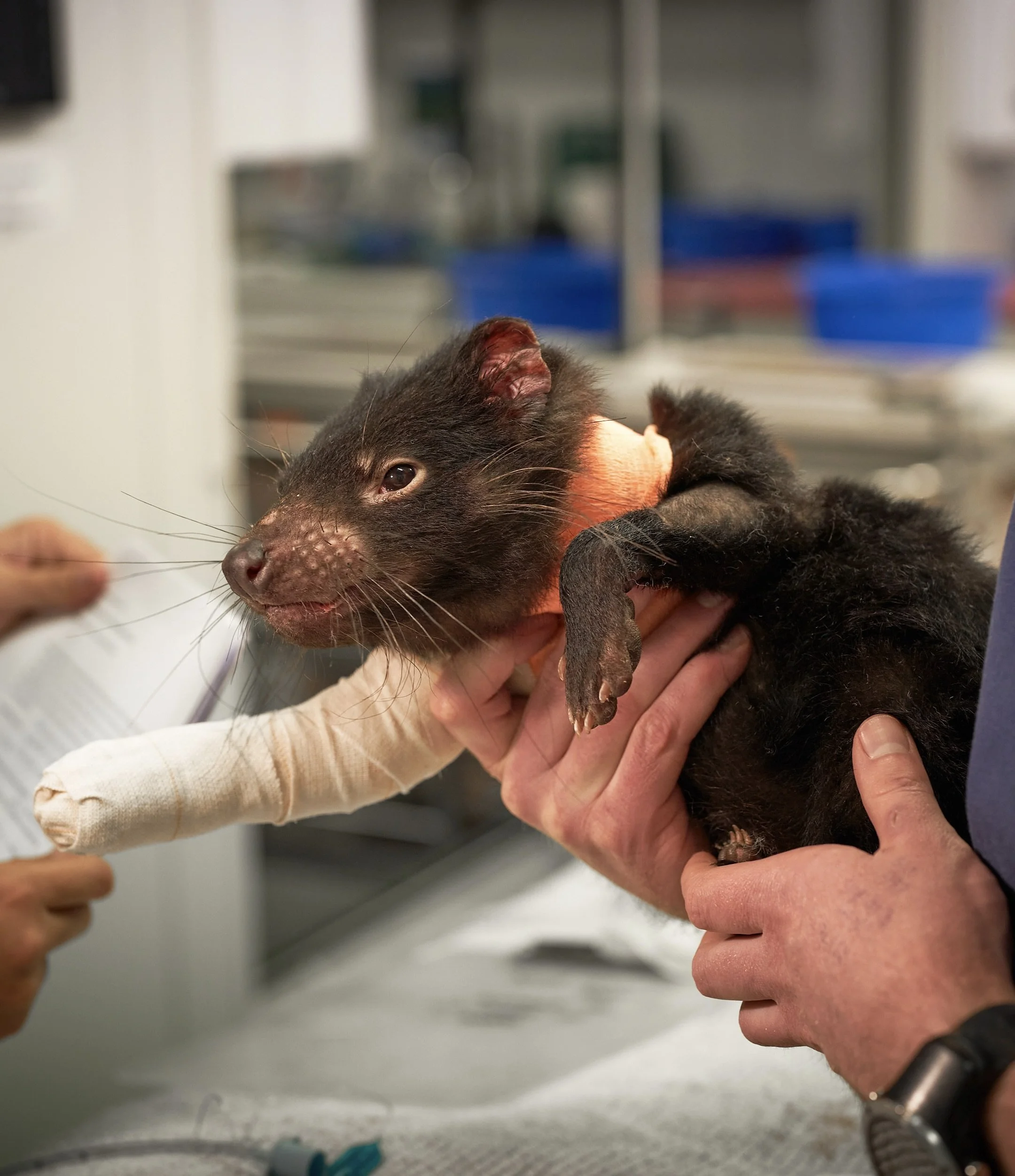
CARS
This is a huge one, particularly here in Tasmania.
You've probably heard “slow down from dusk until dawn” so many times that it sounds like a broken record.
There's a reason people keep saying it.
It's true.
But I'd go one step further: when you can, plan your drive for daylight.
You'll probably get there quicker, you won't spend the entire journey exhausting yourself scanning every centimetre of roadside for eyes, and you'll dramatically reduce your chances of hitting wildlife.
If you do have to drive at night, think about what's around you.
Water nearby? Animals need to drink.
Beautiful lush grass beside the road? To some wildlife, you've just driven past a five-star restaurant.
And use roadkill as a warning.
I was once involved in a forum looking at how effective LOOK OUT FOR WILDLIFE signs actually were.
The answer wasn't particularly encouraging.
For me, unfortunately, one of the most powerful wildlife warning signs is already lying beside the road.
If you see roadkill, slow down.
An animal was there for a reason.
And where there's one, there are usually more.
CATS
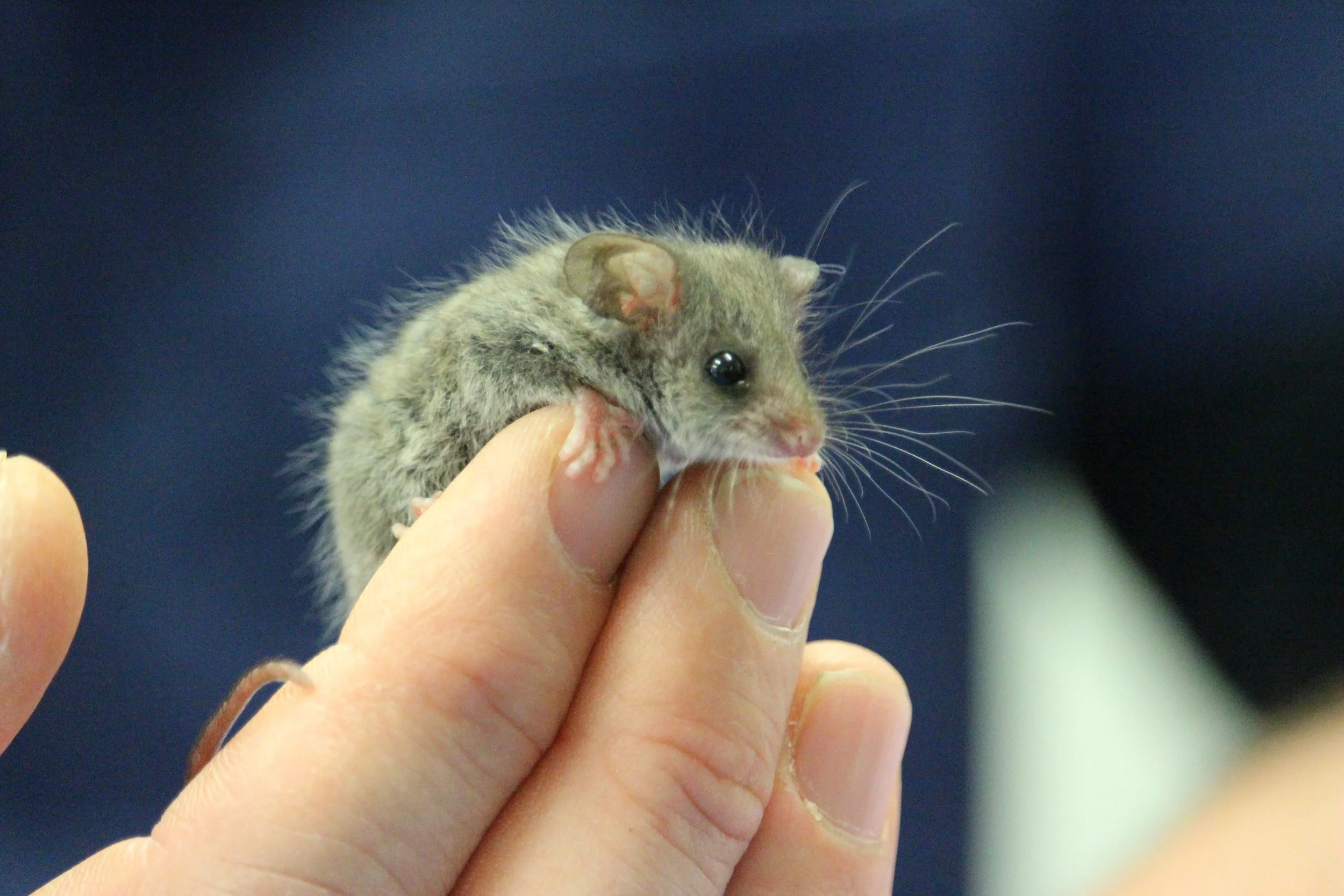
I'm not going to harp on about this one because the solution is incredibly simple.
Contain your cat.
Indoors. A secure cat enclosure. Whatever works for your situation.
If keeping a cat contained doesn't work for your lifestyle, then I'd genuinely question whether a cat is the right pet for you.
Cats kill an extraordinary number of animals in Australia — and it's not only through direct attacks.
They can also spread toxoplasmosis, a disease that can affect wildlife, AND HUMANS!
So yes, I'm trying to scare you a little bit.
Look it up. Understand it.
But most importantly:
Contain your cat and desex your cat. Stop them killing wildlife, and prevent them catching Toxoplasmosis.
It's one of the simplest and most effective things you can do.
DOGS
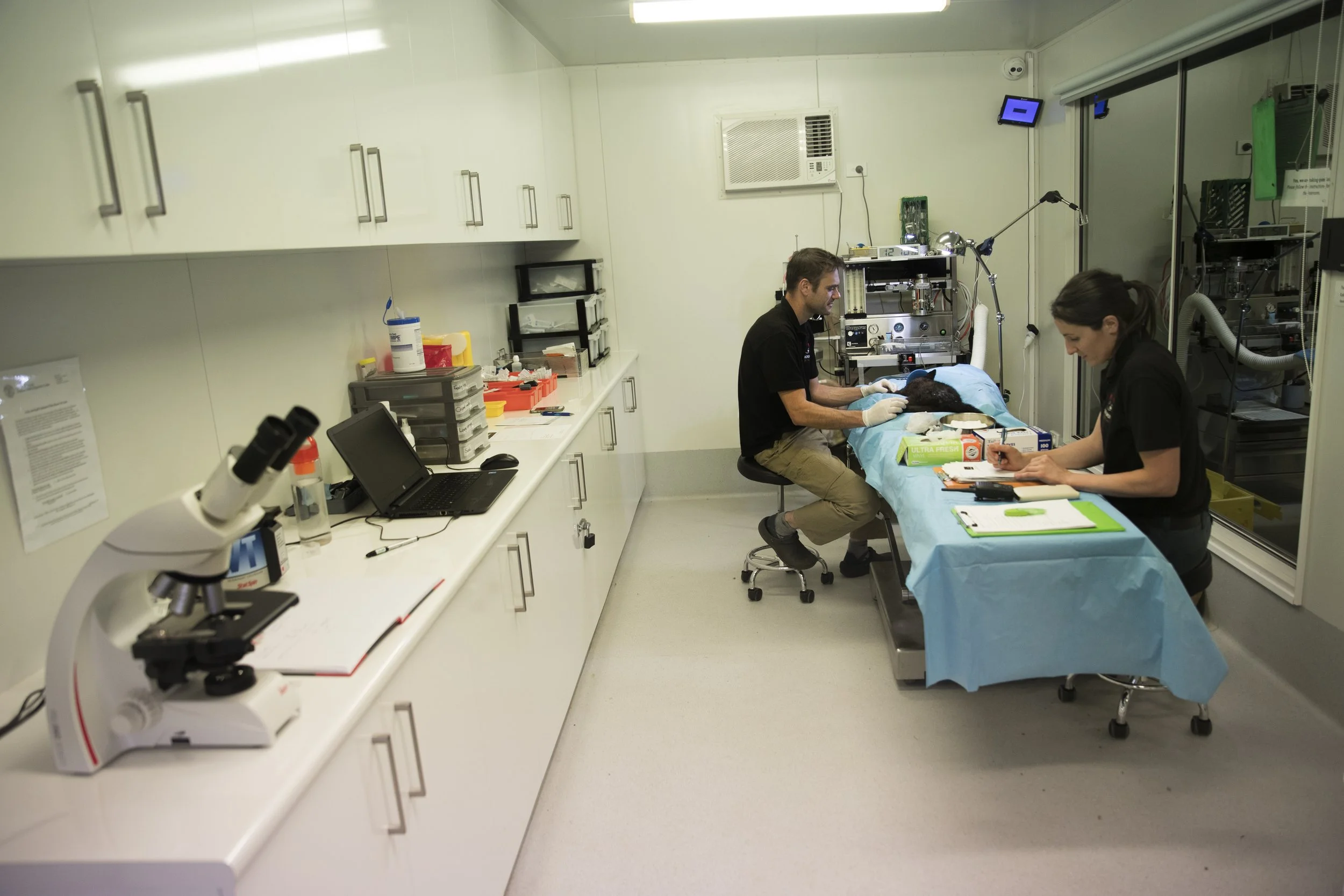
Dogs are obviously very different from cats, but the basic principle is similar:
we're responsible for our pets.
Think seriously about when it's actually safe for your dog to be off lead.
If you live around wildlife, have a quick look outside before letting the dog out for that last toilet trip before bed.
If possible, design your fencing not only to keep your dog in, but to help keep wildlife out.
Your dog doesn't need to be aggressive to seriously injure a wild animal.
Sometimes instinct simply takes over.
RUBBISH
This one surprises a lot of people.
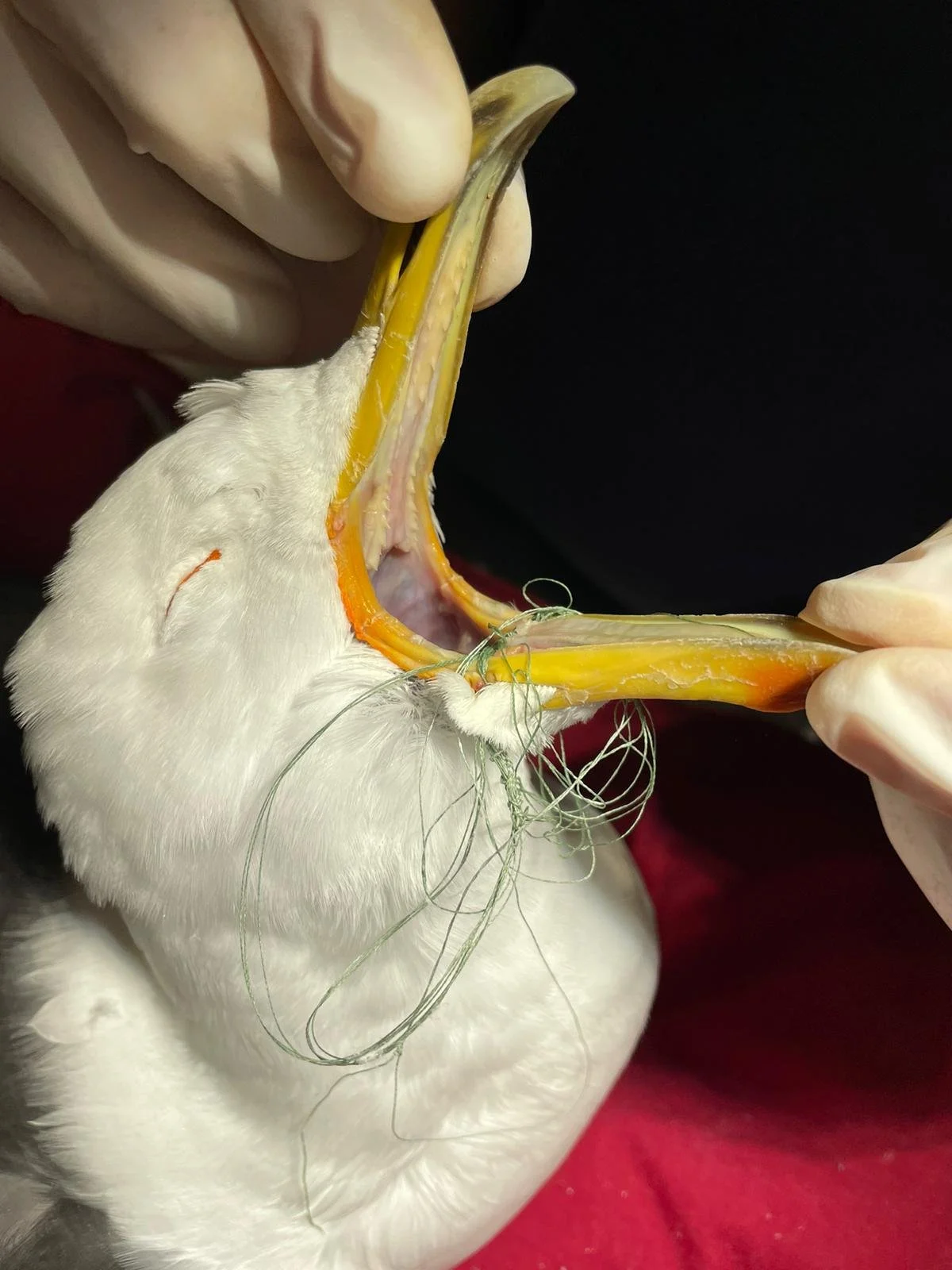
We see far too many animals affected by rubbish — either because they've eaten it or become entangled in it.
Fishing line is a massive problem.
But it can be ridiculously ordinary things too.
In one 12-month period, we had three platypuses die after becoming entangled in something as simple as a hair tie or rubber band.
Think about that next time you see one lying on the ground.
And here's something I really want people to embrace:
it doesn't have to be your rubbish for you to pick it up.
If it's safe to do so, grab it and put it in a bin.
Nobody will know.
Nobody will applaud you.
But you might have just become some animal's anonymous superhero.
Not a bad result for bending over and picking something up.
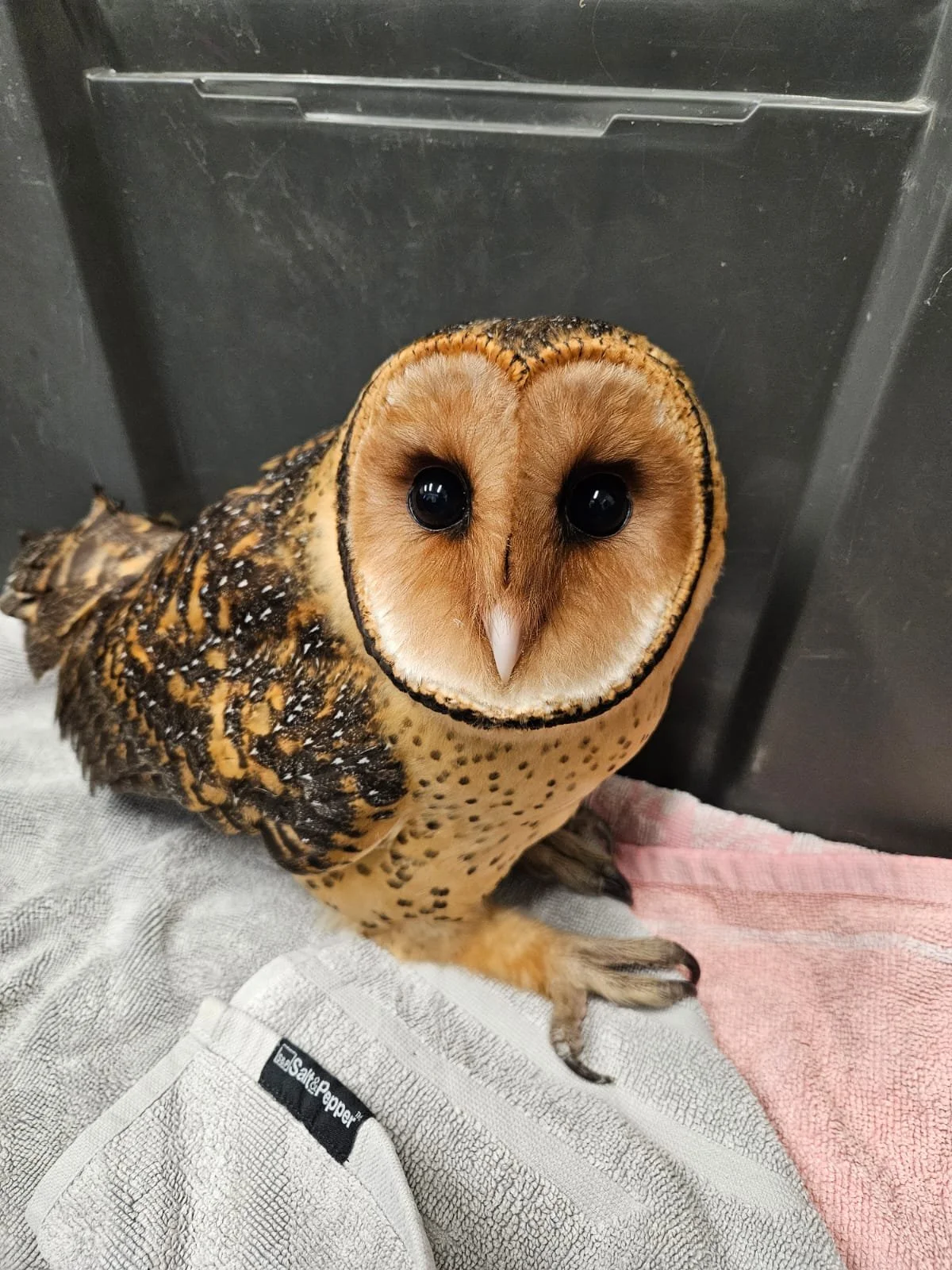
SECONDARY POISONING
If you need to control rats or mice, please research what you're using before grabbing the first box from the shelf.
Some poisons don't stop with the animal that eats the bait.
A poisoned rodent can then be eaten by an owl, eagle, quoll or another predator, passing that poison straight up the food chain.
Look for safer alternatives and, if bait really is necessary, understand the difference between products and how they affect other animals.
And whatever you're using, make it as inaccessible as possible to anything other than the animal you're actually trying to target.
A five-minute bit of research can make an enormous difference.
BARBED WIRE FENCING
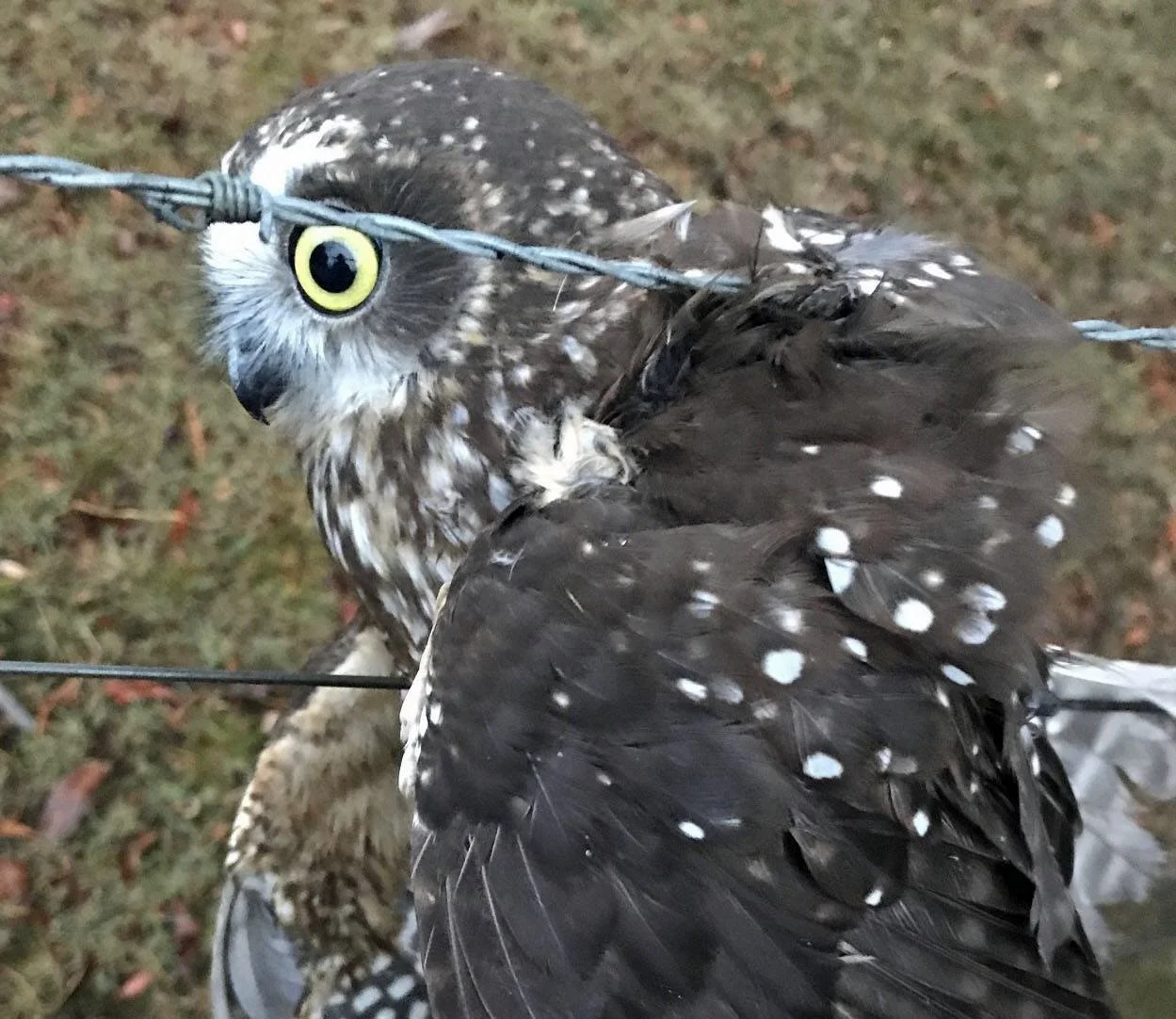
Wildlife manages to get caught in all sorts of fencing.
But there's one I particularly hate:
barbed wire.
To a flying animal, it's basically fish hooks hanging in the sky.
And there are countless properties with old barbed-wire fences that aren't even serving a purpose anymore.
If you have barbed wire you genuinely don't need, get rid of it.
Seeing a bird hanging from barbed wire is awful. Far too often the injuries are so severe that the only humane option left to us is euthanasia.
It's an incredibly horrible outcome from something that sometimes doesn't even need to be there.
WINDOWS
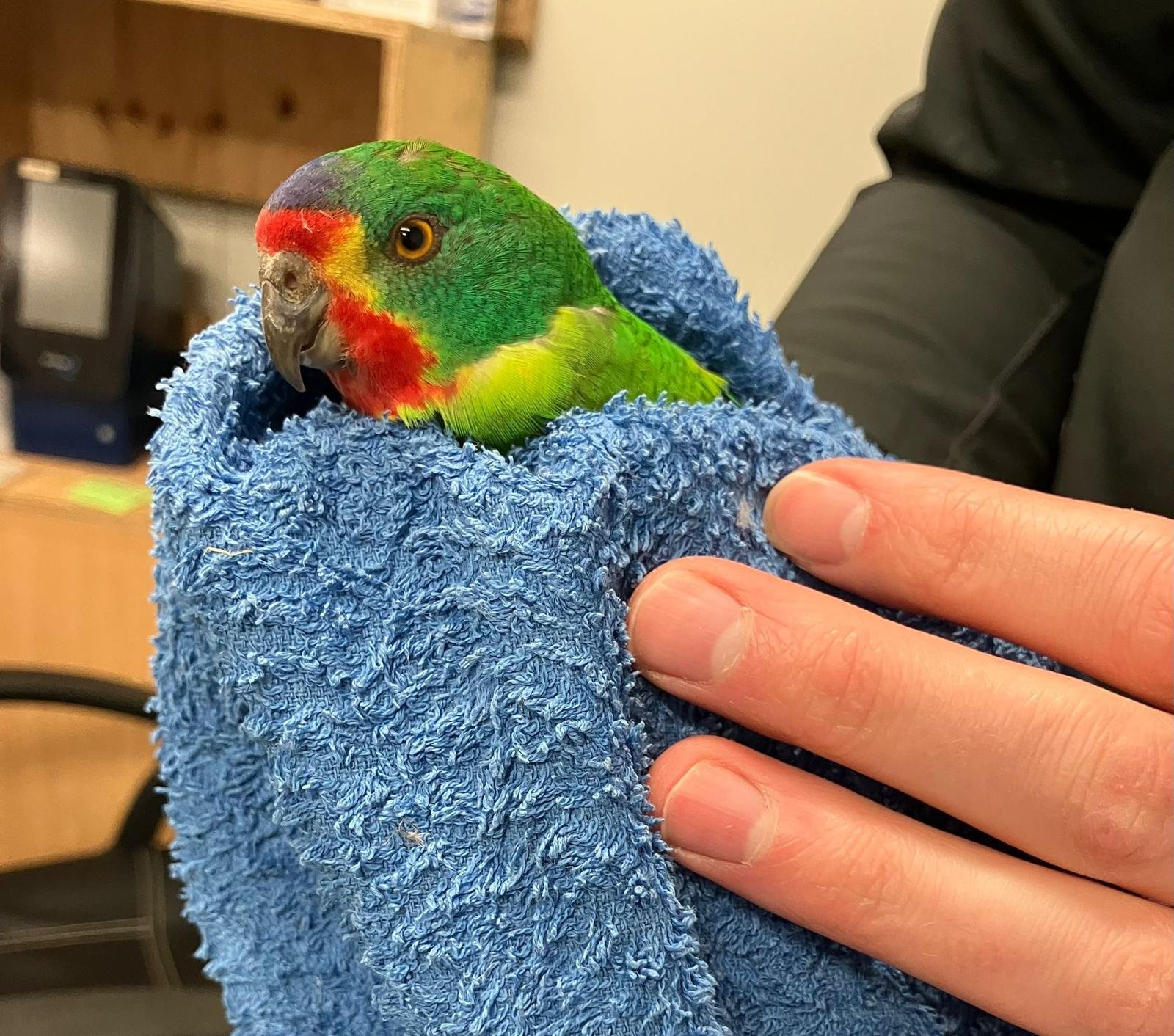
Birds don't understand glass.
Reflections of sky, trees and vegetation can make a window look like somewhere perfectly safe to fly.
In Tasmania, one of the most common birds we see hitting windows is sadly, the critically endangered Swift Parrot.
If you have a window that's regularly being struck by birds, don't just accept that it happens.
There are simple ways to make glass more visible to birds and reduce collisions.
One bird hitting a window could just be bad luck.
Repeated birds hitting it is a problem we can fix.
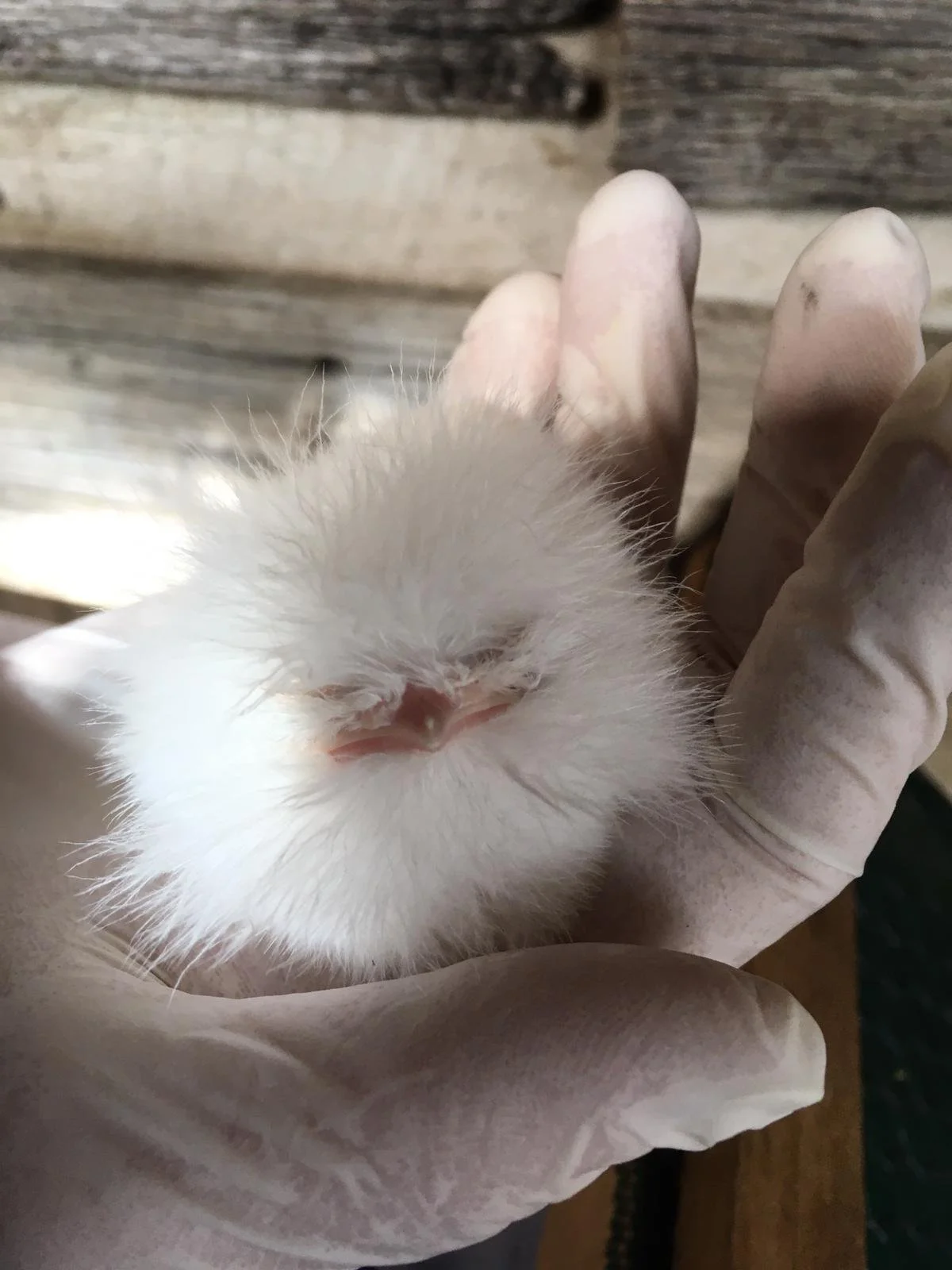
HABITAT LOSS
This is obviously enormous, and I'm not going to pretend I have all the answers.
But I do know this:
there are billions of backyards around the world.
Imagine what happens if we start treating those as little pieces of habitat too.
Plant native vegetation that provides food and shelter.
Leave safe water out during hot weather — but always make sure there's a stick, rock or another way for a small animal, bird or frog to climb back out.
Put up appropriate nesting boxes.
Tree hollows can take well over a century to form naturally and they're absolutely crucial for many species. Look around most developed areas and you'll notice how few really old hollow-bearing trees remain.
So provide a home.
Become the ultimate wildlife host.
Find out what animals naturally live around you and ask yourself a really simple question:
What could I do to make their lives slightly easier?
After all, in most cases we moved into their neighbourhood, not the other way around.
The least we can do is share.
BE A PART OF THE SOLUTION
Here's the thing I really want people to understand.
Most of the wildlife injuries we see aren't caused deliberately.
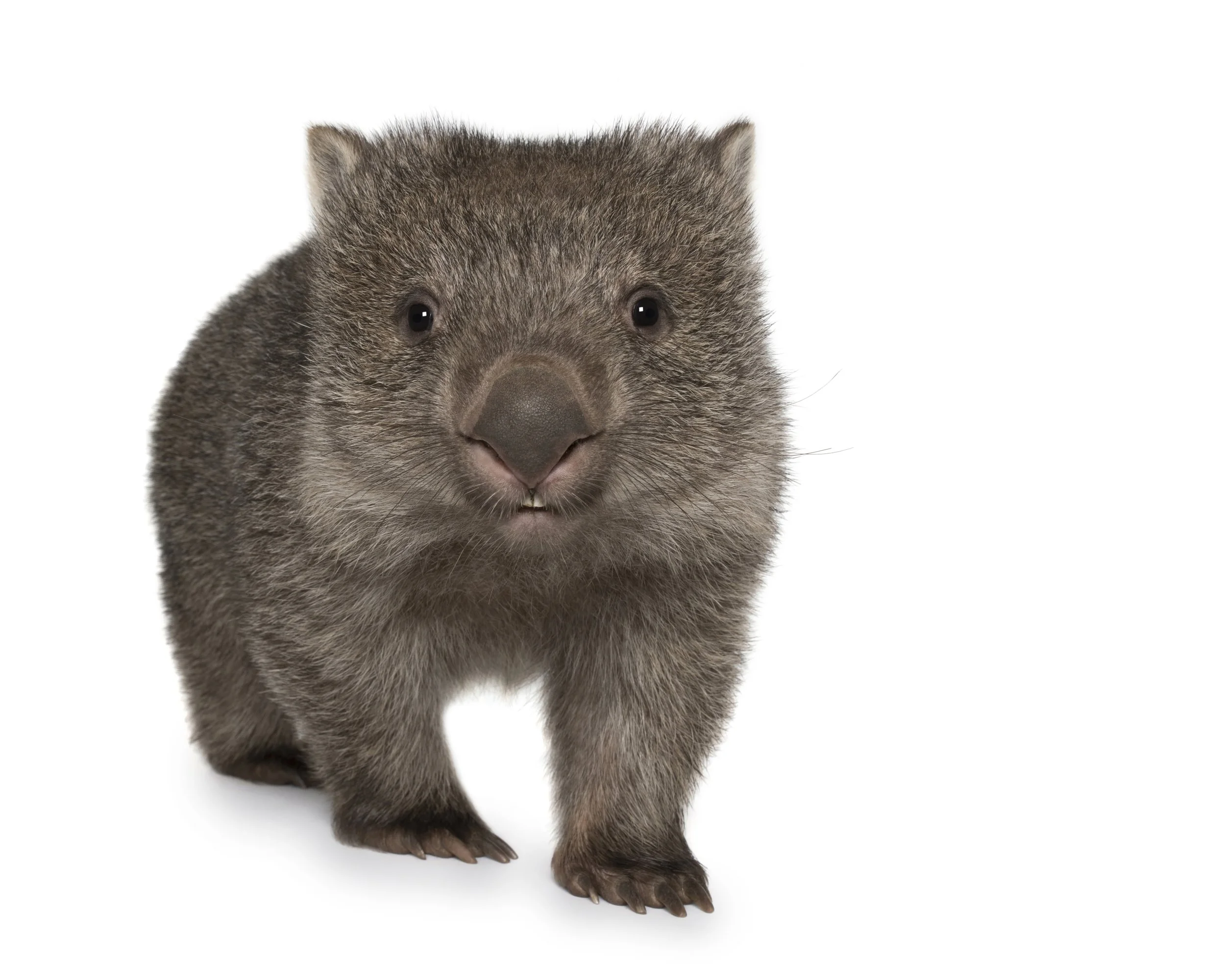
People aren't waking up in the morning thinking, How can I injure a wombat today?
They're accidents.
But so many of those accidents could have been prevented by a tiny bit of thought or a small change in behaviour.
And that's why I don't want you to just read this page, nod along and then forget about it.
I want you to actually do something.
Not twenty things.
Not change your entire life.
Just start somewhere.
Maybe there's something on this list you're already brilliant at.
Good. Be proud of that.
Maybe there's something where, if you're completely honest with yourself, you know you could do better.
Good.
Don't beat yourself up about it.
Change it.
I have things I can do better too. We all do.
And once you've changed something, tell somebody.
Get on your high horse.
The highest horse you can find.
Because this time you've earned the right to be up there.
Tell your kids. Tell your neighbour. Tell your mates. Put the list on the fridge. Talk about it over dinner.
Become part of what I like to think of as the “I care” army.
Not people who just say they care.
People who change something because they care.
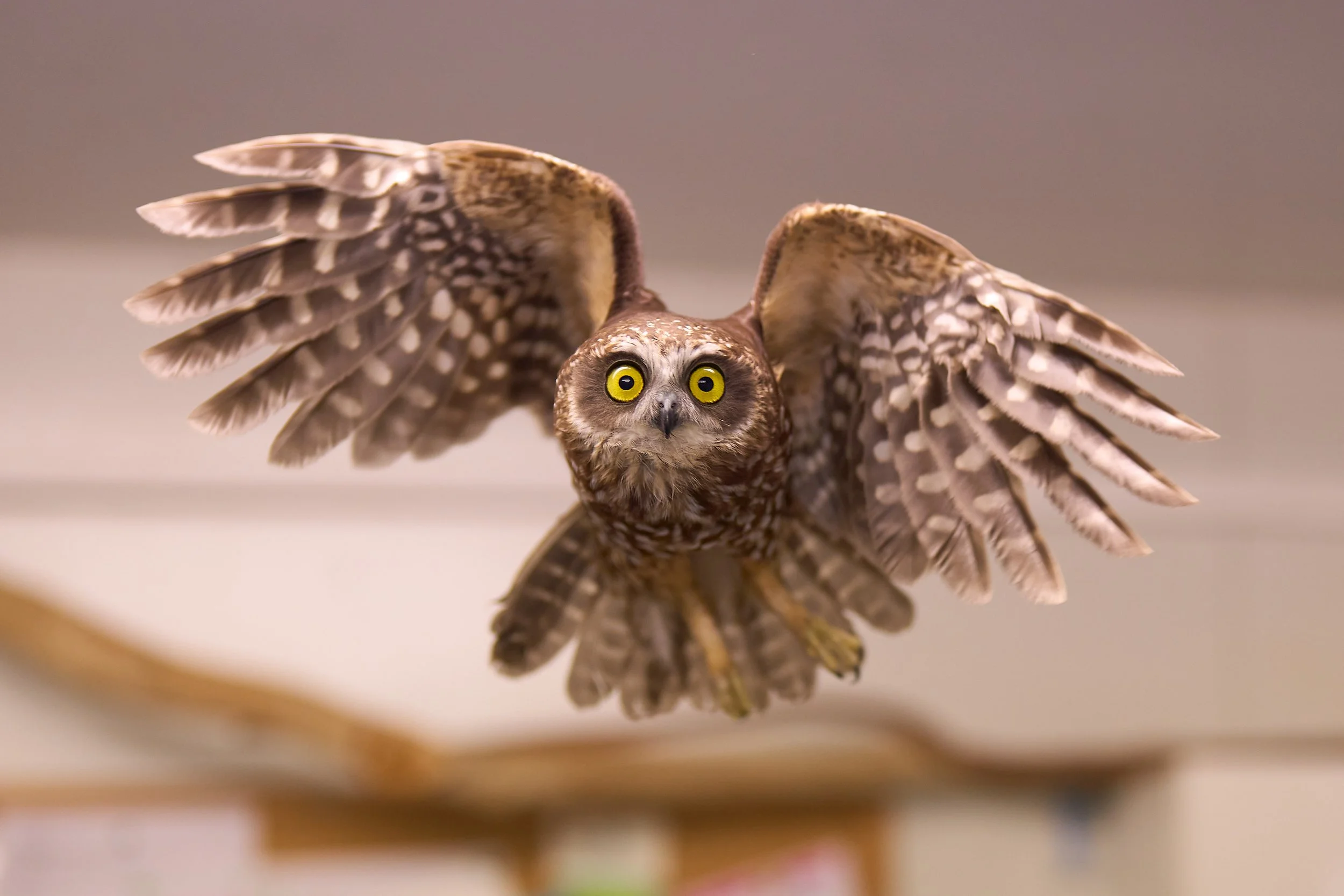
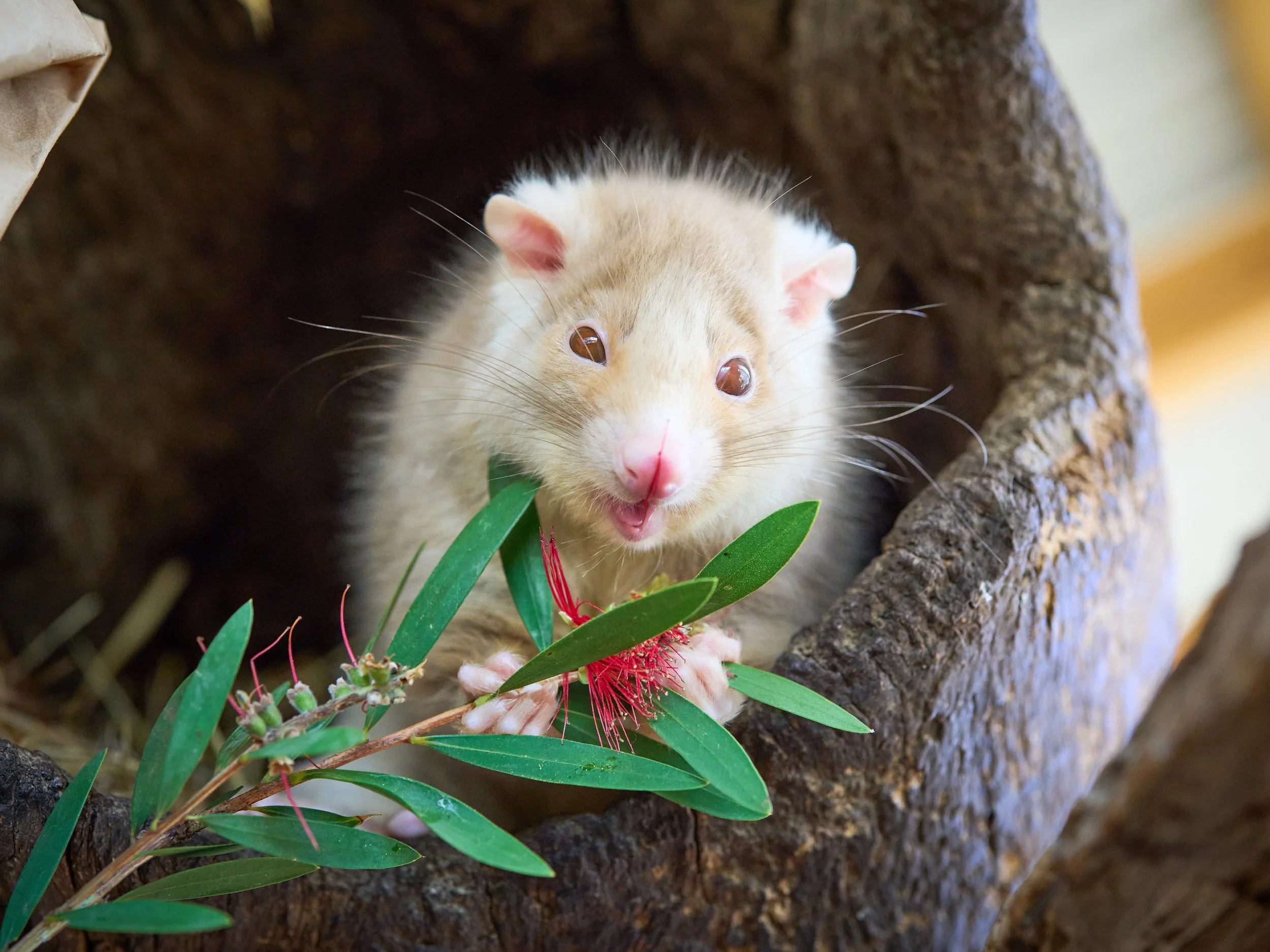
BECOME A RANGER IN YOUR OWN BACKYARD
You don't need to live on 100 acres, own a patch of forest or work in conservation to create habitat for wildlife.
Start with your own backyard.
Imagine for a moment if every garden, courtyard and little patch of green was designed with wildlife in mind. Individually they might not seem like much, but put them all together and suddenly we've created an enormous amount of habitat where wildlife can find food, water, shelter and somewhere safe to raise their young.
And it doesn't have to be complicated.
Plant native. Think tall trees, but also think small, dense, bushy plants where birds and other animals can hide and feel safe. Choose plants that actually provide food for your local wildlife. Better still, do a little research into the birds and animals that live around you and find out what they like to eat.
Turn your backyard into their favourite restaurant.
Think about homes as well as food.
So many of the old trees that once provided natural hollows have disappeared. Even the smallest hollows can take well over a century to form naturally, which means for many hollow-dependent animals we have something of a wildlife housing crisis on our hands.
We can't magically create a 140-year-old tree.
But we can put up an appropriate nesting box.
Plant the trees for the future, provide some artificial homes for today, and suddenly you've helped solve a little piece of that housing shortage.
And don't forget water.
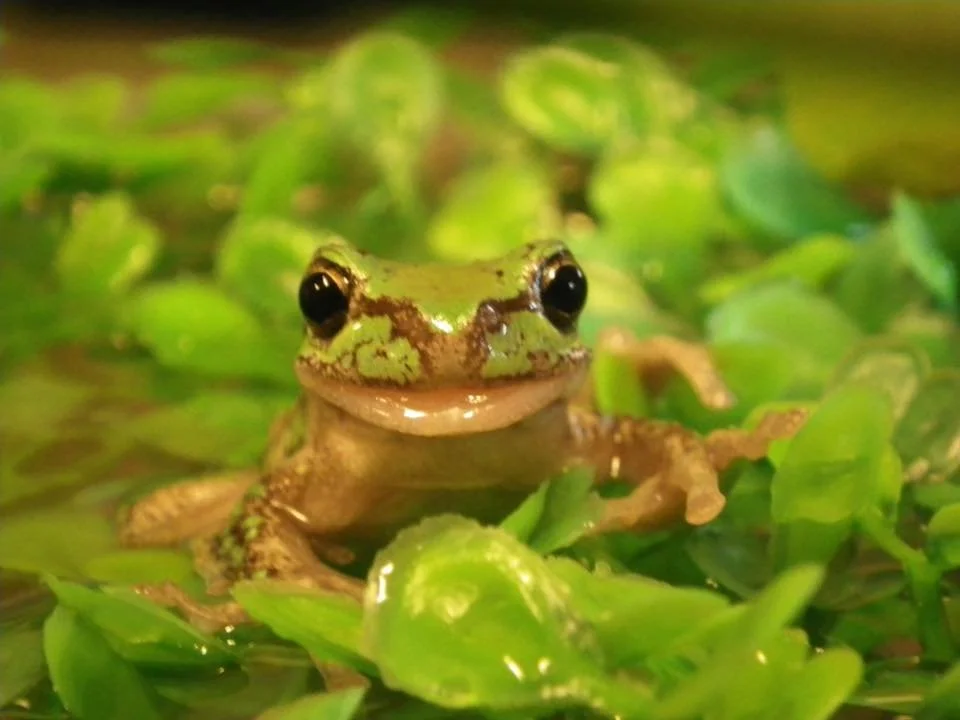
On a hot day, a clean bowl of water can be incredibly valuable to wildlife. Just make sure it's safe. Put a stick, branch or rough piece of wood in the water that reaches over the edge so anything small that falls in has a way to climb back out.
Logs for frogs!
It's such a tiny thing to remember, but it could save a life.
Then there are our pets.
Responsible pet ownership doesn't stop at the back door.
Contain your cat. Keep them indoors or build a secure cat run where they can enjoy being outside without hunting wildlife.
And with dogs, particularly if you live somewhere with wildlife around you, take five seconds to look before opening the door at night. That quick toilet trip before bed can become a disaster if there's a wallaby, possum or other animal sitting just outside.
None of these things is particularly difficult.
And this is only a tiny list. There are so many more things we can do once we start looking at our homes through the eyes of the animals that live around us.
That's the bit I find exciting.
Imagine if millions of backyards became little patches of wildlife habitat.
Native plants providing food. Bushes providing shelter. Nest boxes providing homes. Water available during hot weather. Pets being managed responsibly. Families actually knowing what wildlife lives around them and enjoying having it there.
Your backyard might only be small.
But so is one piece of a jigsaw puzzle.
Put enough of them together and suddenly you've created something enormous.
After all, in most cases we moved into their neighbourhood, not the other way around.
Maybe it's time we became better neighbours.
Let's build our homes and gardens so we can live alongside wildlife, rather than against it.
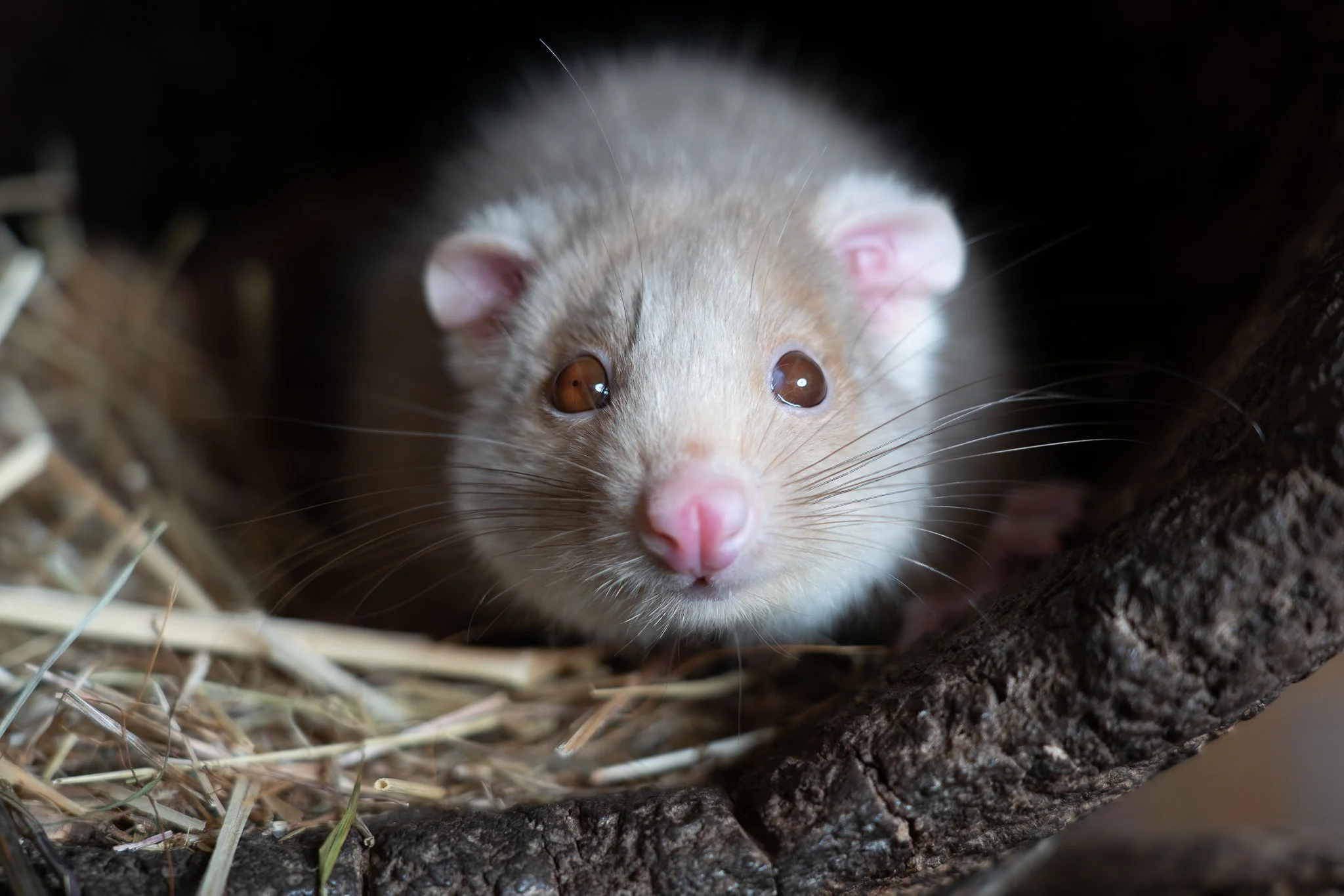
ONE PLANET - THAT’S IT
We have a habit as humans of waiting until something is broken and then throwing everything we have at trying to fix it.
We do it with wildlife. A species becomes endangered and suddenly we're spending millions trying to save it. We build facilities, protect the last remaining habitat and start breeding programs desperately trying to bring it back from the brink.
But there's one pretty important thing we can't put into a breeding program.
Earth.
We have one.
There isn't another one waiting if we get this wrong. We can't breed a few more, release them and start again. If we damage this planet beyond the point where it can support the incredible web of life that depends on it — including us — that's it.
And perhaps that's difficult to truly take in because the worst of it may not happen in our lifetime.
But what about our kids?
What about their kids?
And theirs?
It's very easy to leave a problem this enormous for the next person to deal with. Except eventually there is no next person. There's just a generation left dealing with everything the generations before them didn't.
So maybe the question isn't whether we're going to be okay.
Maybe it's:
What are we leaving behind — and are we genuinely proud to hand it to them?
We have an opportunity right now to stop waiting for things to break before we decide they're worth saving.
Prevention is always better than trying to put the pieces back together.
And with this one, it might be our only option.